Chapter four: sensorial sustainability

Sensorial sustainability
From upcycled and edible packaging to interspecies architecture and biophilic flagships, tapping nature’s potential for (multi)sensory delight can be a powerful way to galvanize more sustainable choices among consumers.
Our research into sustainable attitudes versus actions last year, The Human Rules of Sustainability, surfaced a resounding message: brands must balance the pleasure principle with environmental responsibility in order to create sustainable products and services with real impact. Now, we’re spotlighting the innovations enabling them to do just that.
Although businesses still have their work cut out tackling customer confusion (26% of our respondents admitted they don’t truly understand sustainability) and conflicts of interest (from the cost-of-living crisis to government u-turns on climate policy), there’s huge scope to reframe more sustainable choices not as sacrifices but as sources of joy and wellbeing. We’re calling this concept ‘Sensorial Sustainability’.
If our white paper was the ‘why’, consider this the ‘how’ – read on for some of the best global examples making ecological efforts more tactile, gratifying and delightful.

77%
72%
57%
Regenerative Retail Spaces

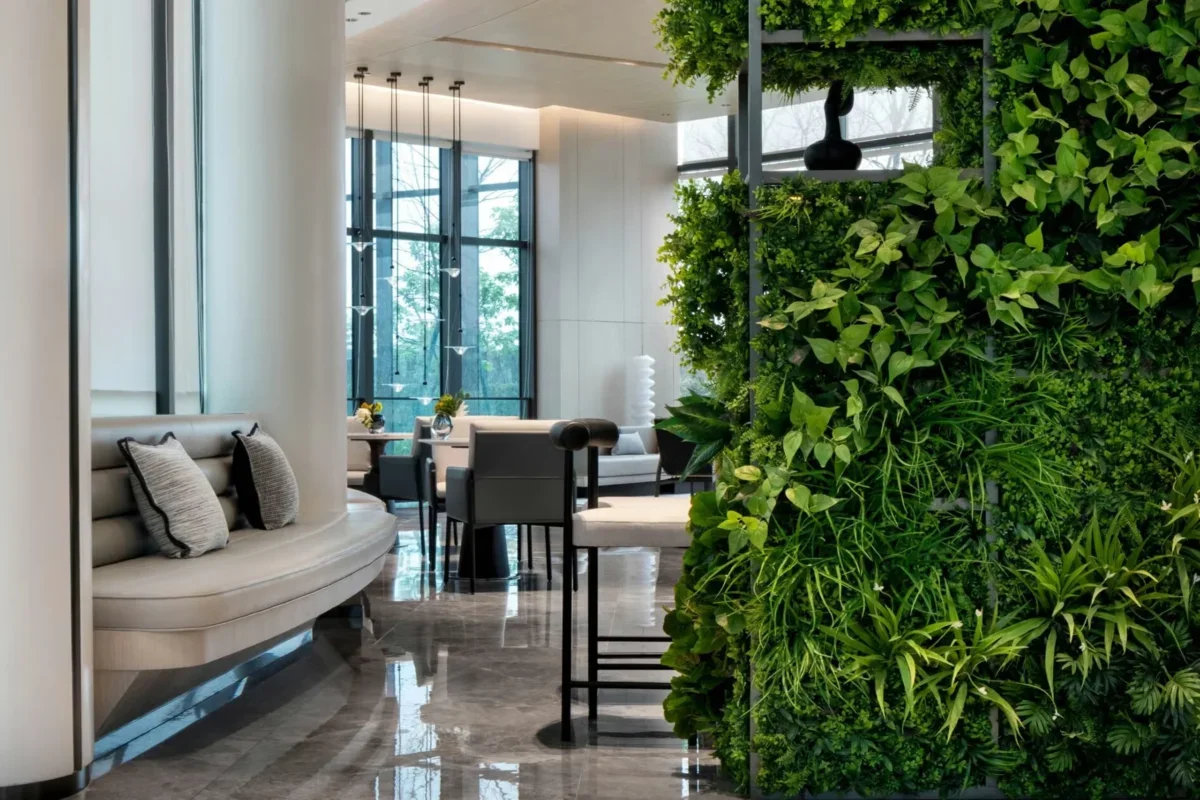
Biophilic design – interiors and architecture that mimic natural environments – a sweet spot where sustainability and wellness converge. By incorporating design cues like natural light, greenery, tactile natural materials, and organic forms, brands are not only signposting their eco-conscious values, but they’re also tapping into an innate human affinity for natural environments, and consumer perceptions (backed up by academic studies) that such spaces can enhance their mental and physical health. With such positive affiliations, it’s no wonder that biophilic stores have been linked to increased dwell-time, more willingness to spend, and higher perceived product quality.
Six in 10 global consumers plan to spend more time in nature to improve their wellbeing in the year ahead


Tapping the trend
-
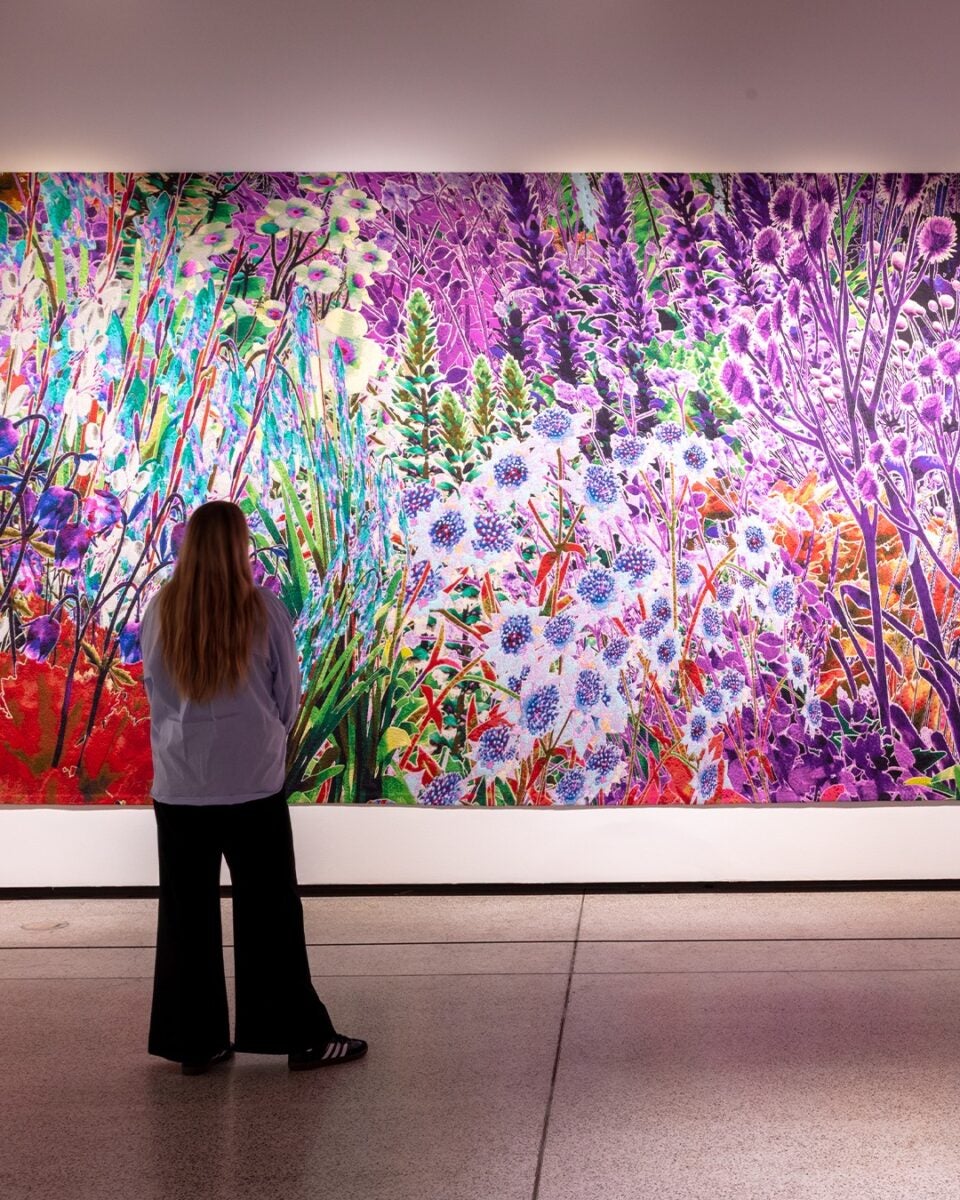
Hero Materials with Local Allure: The signature material at natural beauty brand Aesop’s store in Cambridge, UK is freshwater bulrush plants, woven into eye-catching shelving and cabinetry by artist Felicity Irons, in a nod to the city’s riverways and marshy surroundings. Other bespoke fixtures are made from hemp grown on a nearby farm.
“Bulrush being literally of the local waters made sense, both because of its beauty and tactility, and also because of the chance to use a material that would travel so few miles, and use so little energy in production,” explain Hannah Plumb and James Russell, founders of London-based studio JamesPlumb. Over in Hainan, China, meanwhile, Aesop opts for an ocean-inspired store concept featuring oculi covered with an algae-based film.
- Tech Retail Embraces Biophilia: While the beauty sector is a more obvious bedfellow for biophilic design, Apple Stores show that tech giants can harness the power of nature-infused stores, too. Take its new Miami flagship (opened January 2025), which is full of undulating, organic shapes and flora inspired by the city’s Latin American cultural heritage. Beneath a “raised garden” rooftop, shoppers are ensconced in sustainable, sensorially pleasing materials such as mass-timber and biomass-based terrazzo.
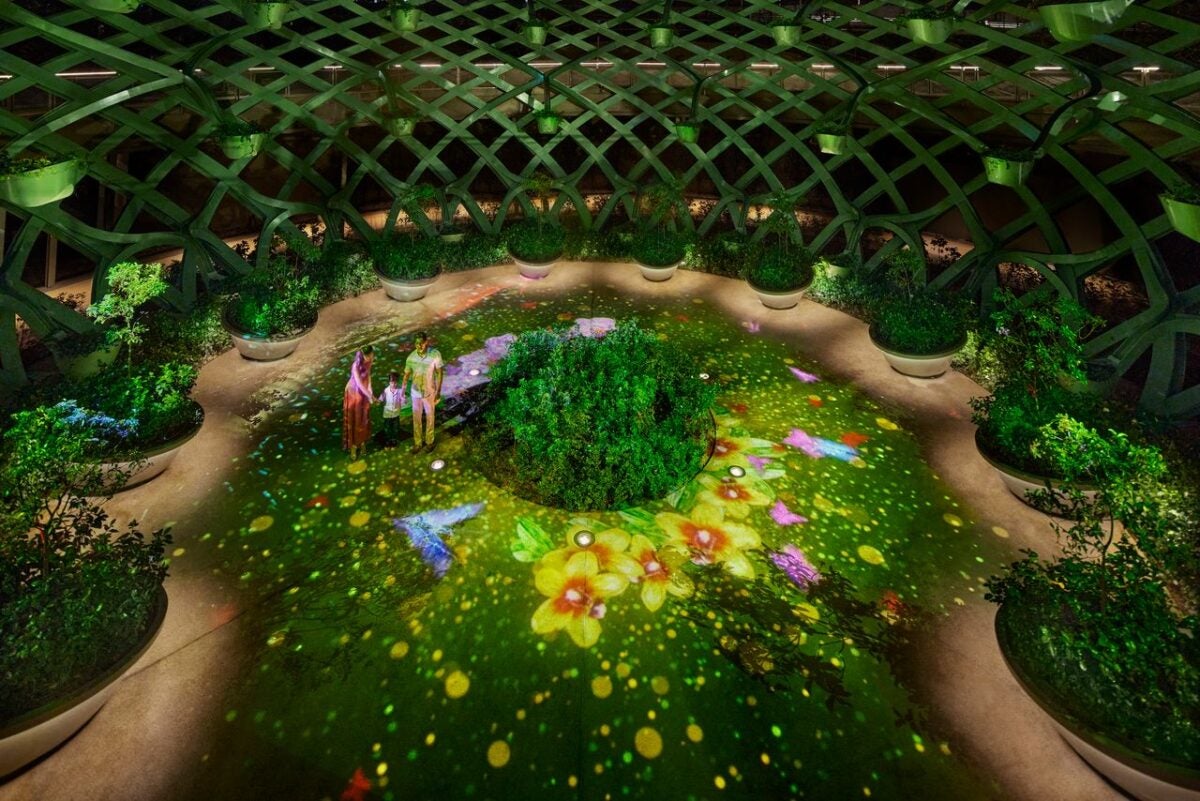
- Sensory Cityscapes: On Singapore’s Sentosa Island resort, Sensoryscape is a 350m-long ecological walk punctuated with six enchanting sensory gardens. Within woven frame structures, each setting stimulates different senses, from the Scented Sphere filled with fragrant flowers to a polyphonic fountain in Symphony Streams, textured leaves in the Tactile Trellis to edible botanicals in Palate Playground. Every evening, multimedia illuminations fill the spaces with AR projections of fauna, marine life and pulsing colors.
- Interspecies Architecture: What if our buildings and products were created with other species’ interests, not only humankind’s, in mind? This is the radical thinking at the heart of London Design Museum’s summer 2025 exhibition More Than Human, which explored how designers can respond to and harmonize with the living world rather than dominate it. Among the more utopian visions, there are also practical solutions like Bird-Safe Building Guidelines, marine infrastructure for coral to colonize, furniture made from fungus, kelp clothing, and a mini park that provides shelter for both people and insects. Food for thought for any design professional.
The retail sphere has become very ‘templated’, and the majority of spaces feel very synthetic – highly illuminated with unnatural strip lighting, no air flow – and the result isn’t warm, inviting or unique.
Elevating renewable packaging

Mushrooms, milk, cheese, wheat, cocoa beans – no, it’s not a grocery shopping list but rather some of the innovative biomaterials making waves in sustainable packaging. While it’s imperative that functionality is on par with non-compostable alternatives, there’s scope for engaging storytelling around these innovative alt-materials (via QR codes, for instance). Edible packaging dials up the experiential, sensory aspect for consumers further. But success can also lie in simplicity; who’d have thought swapping soft plastic for colourful paper wraps could turn recycled loo roll into a cult item?
In the UK, 64% of consumers find it difficult to know which type of food packaging is the most sustainable, showing the need for better brand comms
Tapping the trend
- Shattering Drinks Norms: Seeking to reduce the carbon footprint of transporting heavy glass, drinks giant Diageo is touting an unexpected alternative material for its bottles: paper. In spring 2025 it piloted molded fiber bottles for individual-sized Baileys drinks, and development for a paper Johnnie Walker bottle is also underway, among other concepts.
The Baileys bottle is designed to be recycled in conventional paper streams, and for ease, consumers do not have to separate the plastic liner. Trying to unpick the centuries-old association between glass and alcohol is a challenge, admitted Diageo’s senior global sustainability and innovation lead, Michelle Atkinson, but paper also has a “cultural resonance” the Diageo team wanted to build on, alongside its flexibility, tactility and familiarity. “Paper has this relevance and cultural preciousness that we felt was really powerful,” Atkinson says. “If we can unlock the magic and the memory that paper holds, we can imbue our liquids with even more value.”
- Packaging Soundscapes: Tactility Speaks Paper, an exhibition at Clerkenwell Design Week 2025 by CMF designer Katie Kubrack, explored how subtle sensory cues can be both sustainable and impactful. A range of FSC-certified papers, each with distinct textures and finishes, were accompanied by ASMR-style videos exploring their different auditory qualities.
“Even seasoned designers were surprised by how these conscious material selections elevated the emotional resonance of packaging,” Kubrack said. “Think of the soft matte exterior of a premium product box or the crisp crackle of layered tissue paper, these elements enrich the unboxing, transforming it from a routine moment into a memorable and multi-sensory experience.”
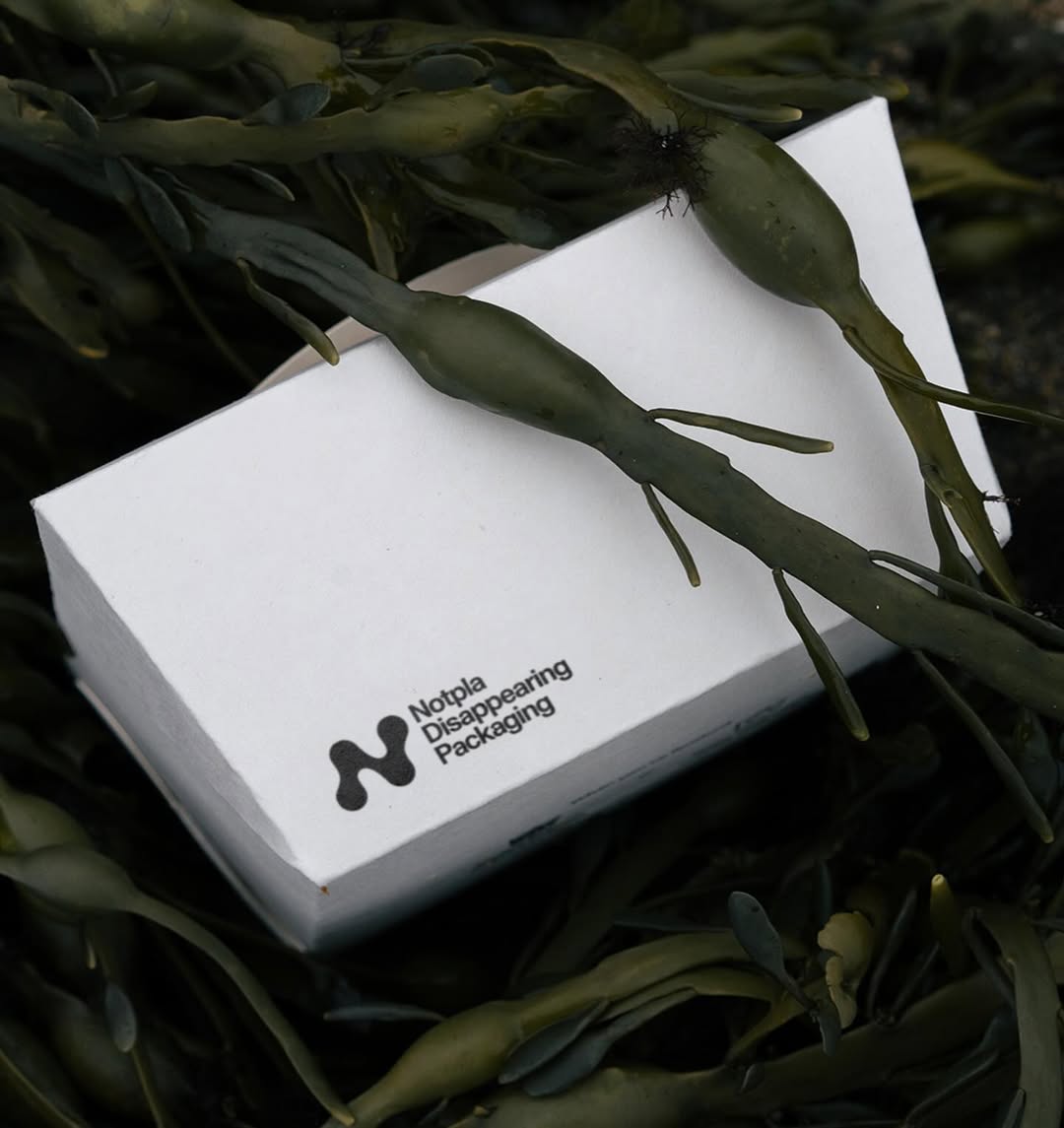
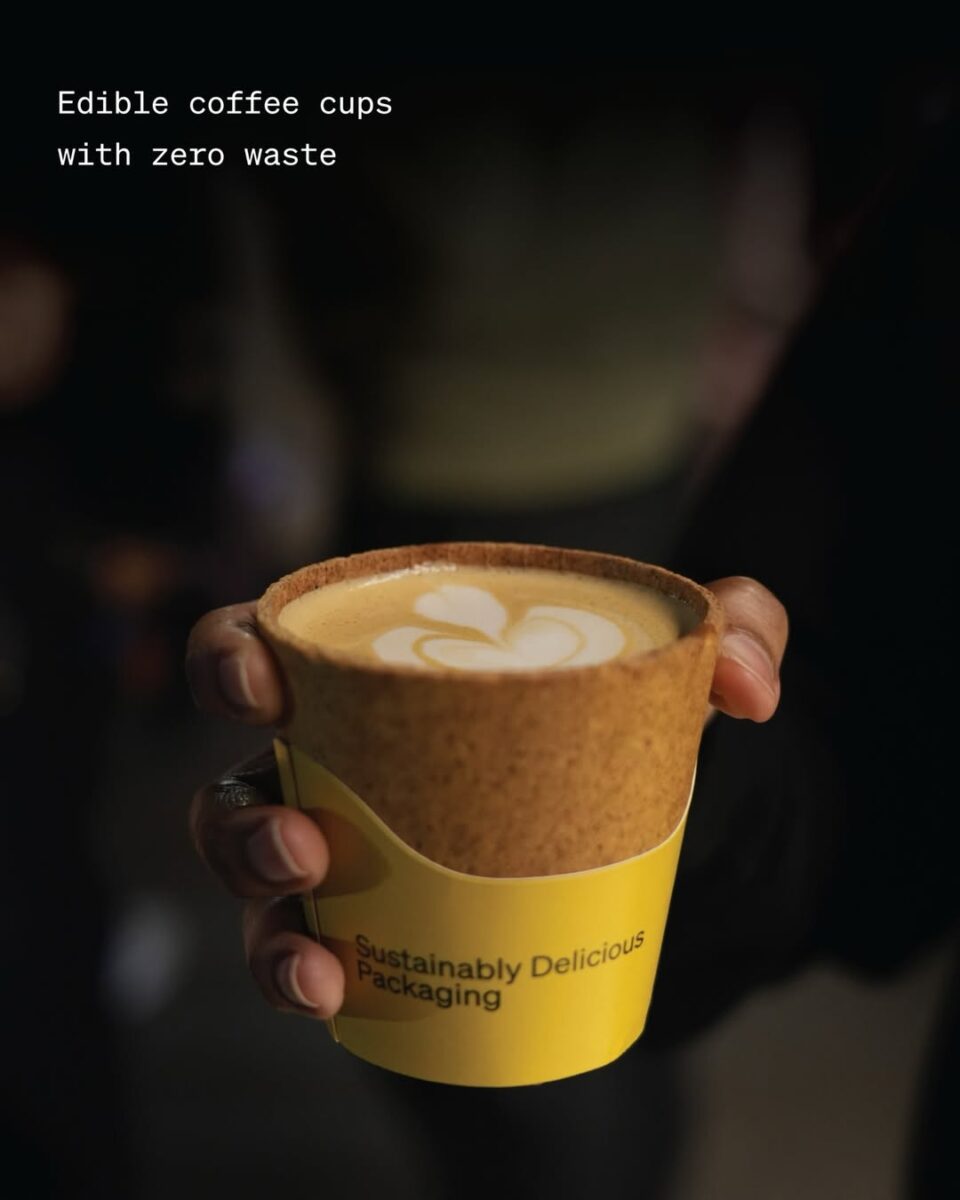
- Eating the Outside: From sauce sachets that melt directly onto your fries to finger-licking burger wraps that add another layer of flavor, edible packaging holds particular promise in the fast-food sector, according to a slew of start-ups. UK-based NotPla’s seaweed-based liquid capsules can be used for individual portions of condiments or refreshments, while edible ice-cream cups from Qatari company Papercut Factory comprise whole wheat flour, salt, and cane sugar.
Established players are eyeing the opportunity, too, consider the limited-edition plant-based fork that Nestlé offered with its cup noodles in India last year. This already booming sector is set to expand further by using AI to fast-track safe, commercial solutions, note Colgate-Palmolive’s new partnership with AI-powered biomaterials platform Zya.
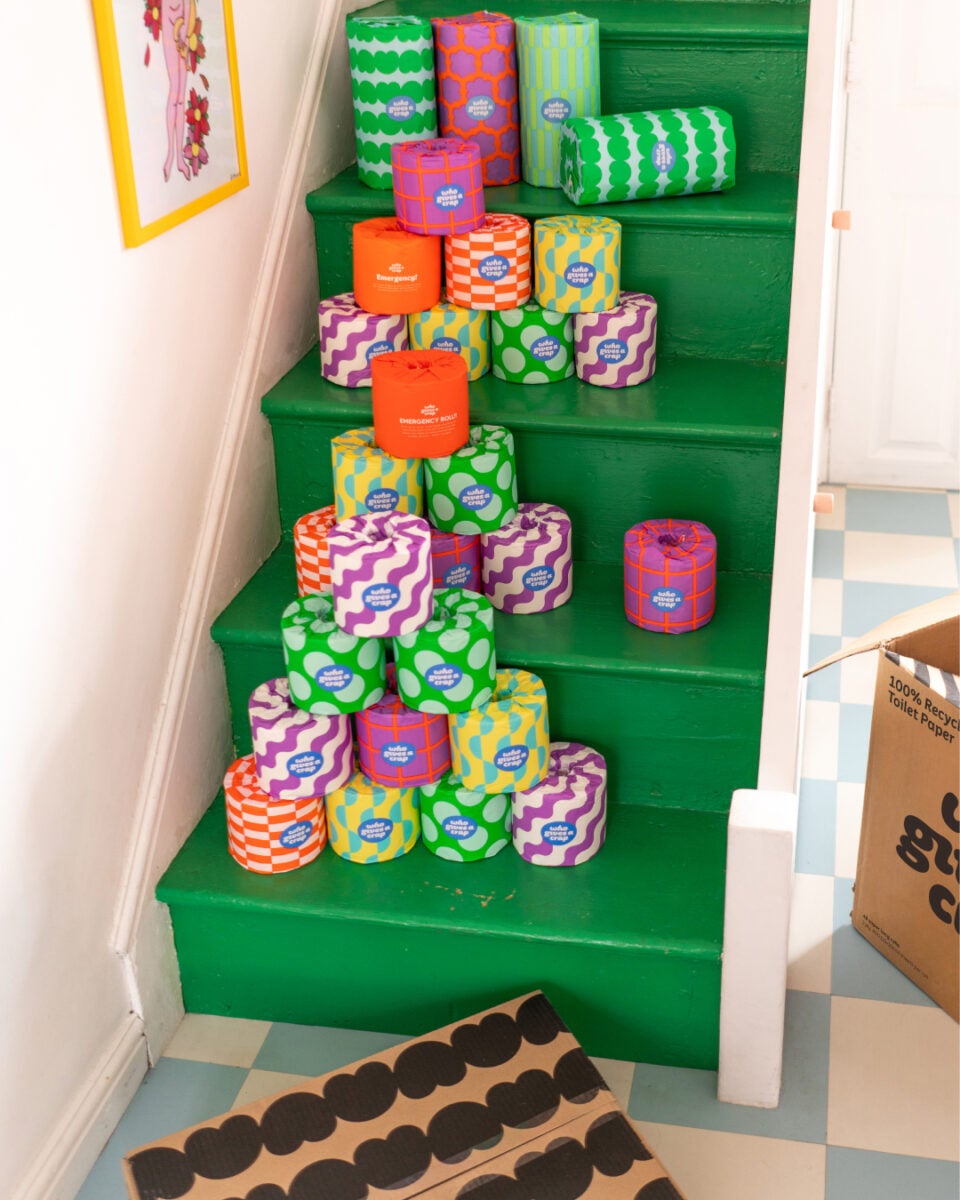
- Elevating the Everyday: Making more sustainable toilet paper something to proudly display in your bathroom is no mean feat, but subscription service Who Gives a Crap proves that fun, feel-good moments can meet ethical consumerism in even the most banal of product categories. Its 100% recycled and bamboo rolls arrive individually wrapped in colorful, patterned paper, with 50% of profits going to clean water and sanitation, offering a stylish and ethical counterpoint to “this sea of… pictures of puppies and pillows and feathers and things that were entirely unrelated to toilet paper”, according to founder Simon Griffiths.
This challenger brand also defies the idea that eco options equal niche. It’s already sold in more than half of Australian grocery stores, and is the UK’s third biggest non-supermarket label for loo roll.
Reframing how we leverage the senses to establish a look or feel can open a whole new world of packaging possibilities. For instance, changing a cup texture can help a consumer ‘see’ the refreshment without having to utilize plastics. It solves sustainability needs but ultimately engages consumers for a more enjoyable, elevated experience.
Circularity thinking
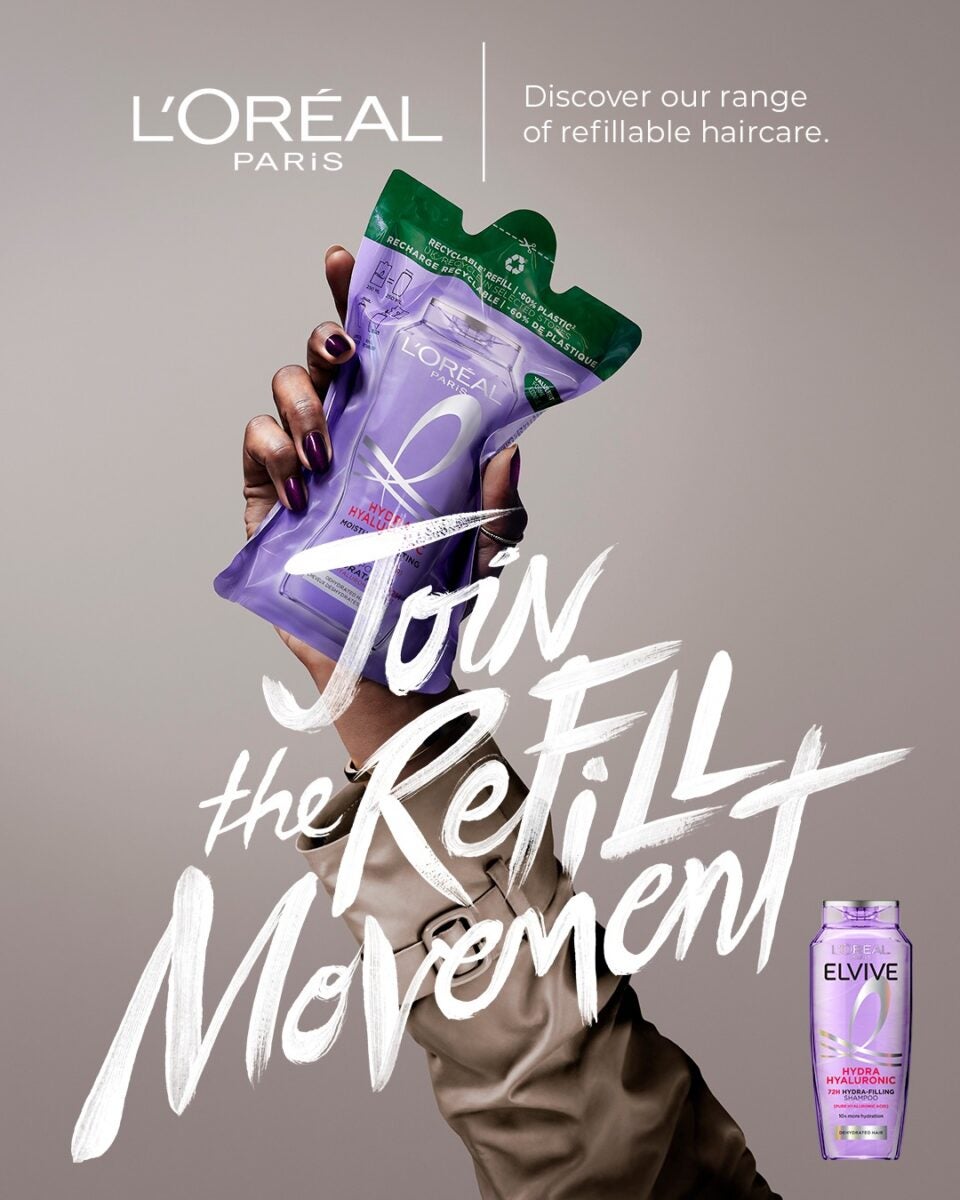
Sustainability in packaging of course means more than choice of materials; it’s the systems in which those materials exist. Product refills, rentals and repair schemes all add up to a resilient circular economy. While refillable retail still faces several roadblocks to mass adoption, whether it’s the ‘ick factor’, hygiene concerns or people simply forgetting to bring containers, major players like L’Oréal Groupe are nonetheless pushing to make it ‘the new norm’ – see its 2025 cross-brand global awareness campaign #JoinTheRefillMovement. By premiumizing refill stations and creating interactive workshops around upcyling, forward-thinking brands can reframe circularity concepts as a more enticing, aspirational and ultimately satisfying consumer choice.
In the US, 43% of shoppers would use reusable packaging more if they received a small monetary reward for returning it, and 37% would do so if there was no fee to borrow the packaging
Tapping the trend
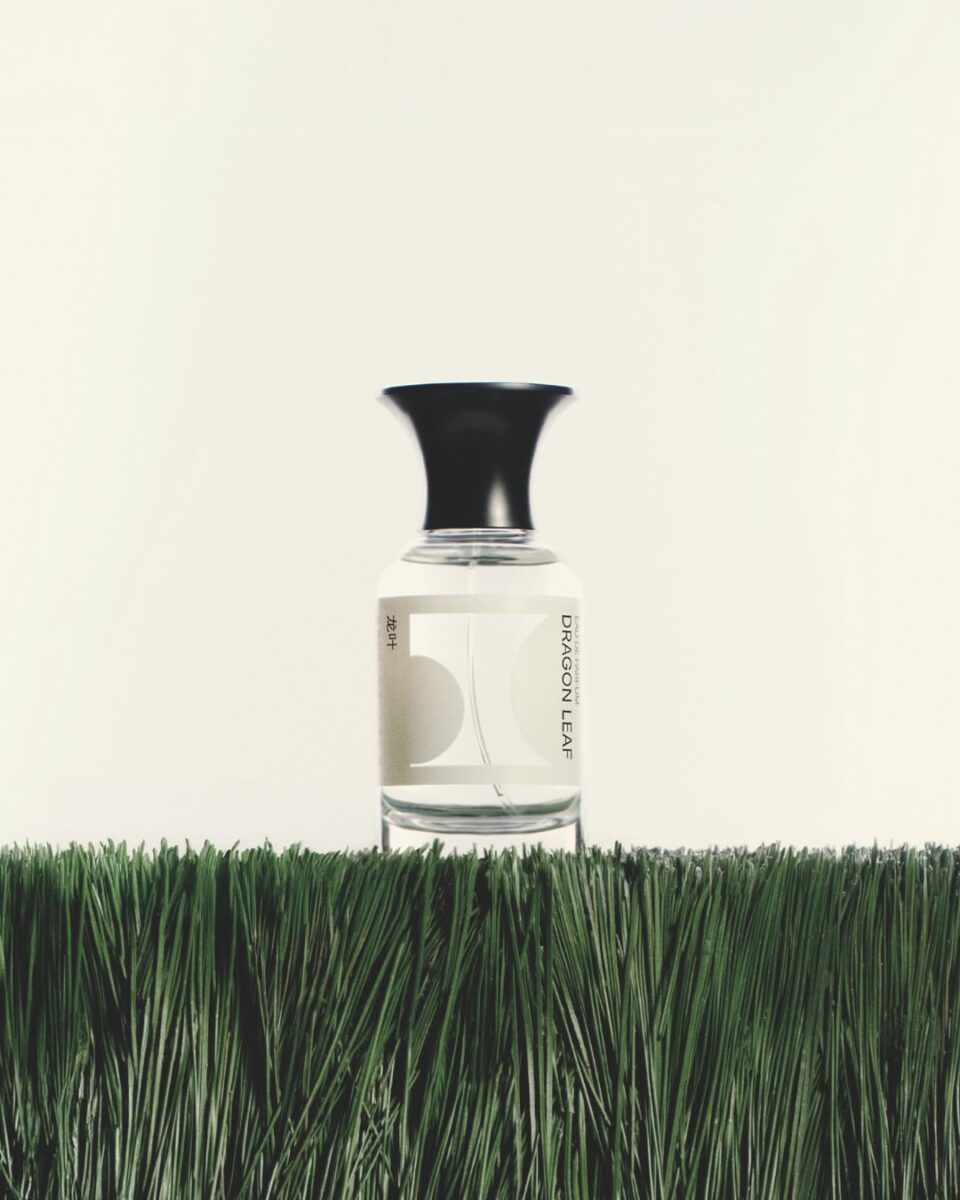
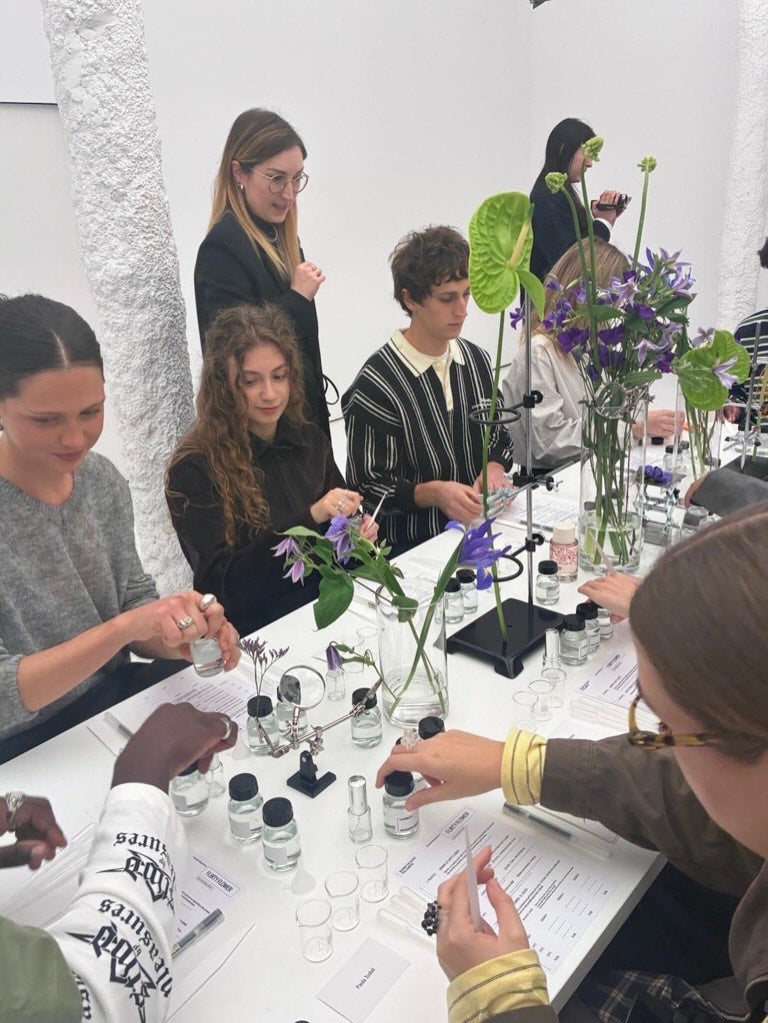
- Enshrining the Refilling Ritual: Inspired by the fragrance fountains displayed in 18th century aristocratic gardens, Thierry Mugler’s signature refill fixture turns an eco-responsible action into an in-store ritual and moment of pleasure. While this example was well ahead of the curve, parent company L’Oreal Luxe is now taking these premium cues for its multi-brand perfume-replenishing stations, rolling out at US department store chain Dillard’s in fall 2025. Likewise, French luxury fragrance brand Diptyque runs workshops showing consumers how to upcycle its empty candle jars, and has carved out dedicated ‘curiosity rooms’ for product refills within its latest flagships.
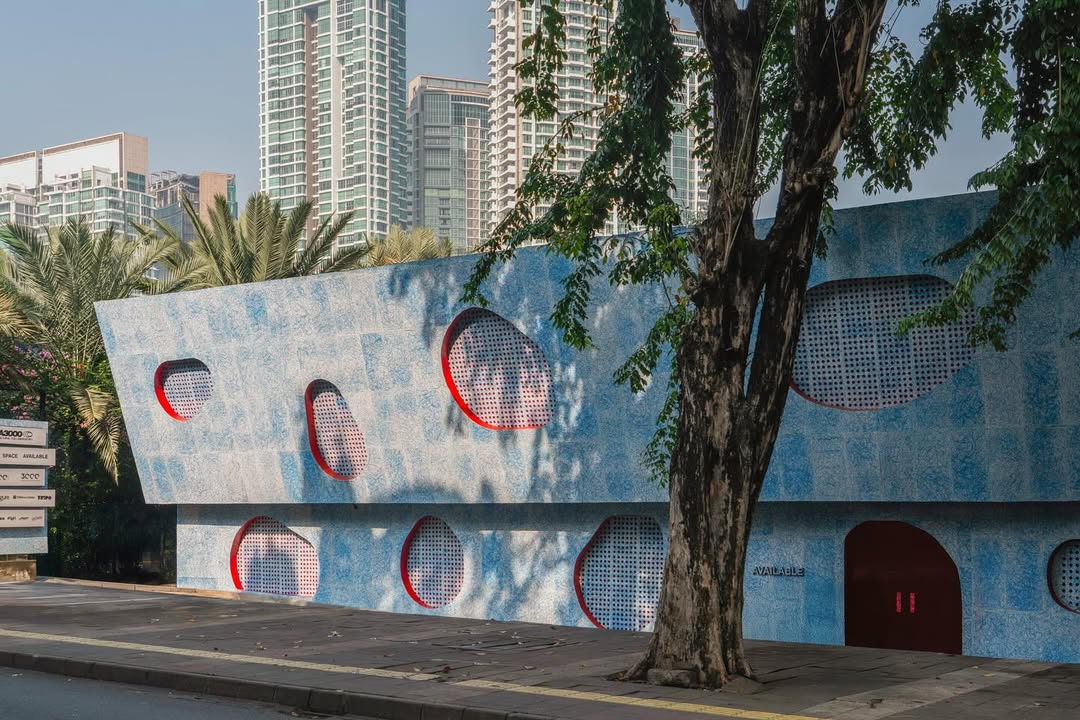
- Repair Meets Self-Care: Circularity is embedded in a wider narrative of individual and collective wellbeing at The Self-Care Community Centre, a forward-thinking hybrid space in Jakarta, Indonesia from multidisciplinary design firm Space Available. Within a facade and interiors created from over 11 tonnes of locally recycled plastic, there’s a listening library, a communal reading room, an art gallery, and a restaurant and bar. Its stand-out feature is a ‘conversation pit’ where consumers can take part in upcycling activities, with repair stations for old garments or machines turning plastics into new objects. The modular interiors can host movement classes, too.
- Smelling Circularity: Just as we saw waste materials being repurposed for packaging in the previous section, they can also be crafted into premium sensory products. DSM-Firmenich, a leading global innovation partner in health, nutrition, and beauty, is “valorizing discarded raw materials” by transforming them into new, sustainable scents. Think: salvaged orange peels from the juice industry, leftover woodchips from furniture-making, or renewable musks from paper by-products. These novel notes have clear potential for olfactory branding, enhancing the sensory experience in your sustainable spaces.
It’s about rethinking the relationship between brand and consumer, going beyond a linear transactional relationship that ends at the point of purchase. We need to build lasting relationships with consumers that empower them to be part of a circular economy, to repair and care for their products so they can use them longer, to bring them back to us or other resale platforms when they decide to part with them.
Gamifying “Greener” Behavior

Worthy lectures won’t cut it; brands must incentivize more sustainable behavioral changes, whether they’re delivering a dopamine hit for doing good, or easing the pressure on consumers’ wallets. Loyalty schemes are the ideal platform for this, enabling members to record their sustainable actions and see the pay-off in the shape of points or prizes. The Starbucks Rewards program, for instance, lets members clock up extra points or badges when they take eco-conscious, micro-actions like remembering their reusable cup or trying plant-based menu items. Remember, gamification doesn’t necessarily mean creating a branded game but instead building playful, rewarding elements of engagement into any stage in the customer journey.
For almost two-third of consumers in the US, UK, and ME, the prospect of winning rewards is the top reason to take part of gamified brand experiences

Tapping the trend
- Rewarding More Sustainable Actions: To encourage Hong Kong’s residents to adopt low-carbon lifestyles, The Coca-Cola Company-owned beverage brand Bonaqua partnered with the green rewards app Carbon Wallet on a four-month promotion over summer 2025. Their three-step, cross-platform gamified initiative granted participants dual rewards for completing simple yet sustainable tasks such as recycling bottles or traveling on public transport, adding points into both their Coca-Cola membership COKE+ and Carbon Wallet accounts, plus additional perks like local grocery store coupons upon hitting recycling milestones.
Users could scan a QR code on branded Bonaqua recycling bins to log their contribution towards a city-wide goal of “Let’s Crush 1M Bottles for a Greener HK” and track real-time collective progress. Driving engagement further, there was also a lucky draw, with prizes including dinner at Hong Kong’s Michelin-starred, eco-friendly restaurant Feuille.
- AR Gameplay Promotes Refills: To raise awareness that its Color Protect haircare range now comes in refillable pouch packaging, L’Oréal created an AR-powered beauty vending machine in collaboration with Snapchat. The spring 2025 pop-up in London’s busy Westfield White City mall invited shoppers to play with a custom Snapchat filter experimenting with different hair colors, then “unlock” a free product refill. In a throwaway culture, this gamified interaction injected excitement around the idea of replenishing old shampoo bottles.
- Conserving Resources, Competitively: Gamification can also shape mindful consumption habits in hospitality settings, as shown by The Accor Group’s leverage of smart home technology by French start-up Luniwave. Noting that showers are one of the biggest sources of hotels’ water consumption, the LuniShower platform turns saving H2O into a game for guests who are invited to set personal usage goals, for example, limiting water to a certain number of liters, and earn rewards for meeting their targets. Piloted across seven of Accor’s EMEA hotel brands, nine in 10 guests stated it improved their stay and some even enquired whether they could buy the system for home use.
Meanwhile, Luniwave’s GreenMiles program grants points for making greener tourism choices like traveling by train rather than flying short-haul or skipping daily room cleaning. Guests need not even download an app to participate, they simply scan an in-room QR code to open the mobile website.
We know that nudges can be much more powerful than communication alone to stimulate that change – gamification can provide us with a powerful trigger to engage consumers and sustain that connection. That all-important dopamine hit for doing good. Consistently rewarding a new behavior builds habit, which can then be reinforced as time goes on.
The Takeaways
Bring the Natural World into Brand Spaces
Turn Eco-Packaging into a Sensory Signature
Put the Pleasure Back into Circularity
Make Eco Efforts Pay
Trending

Alice Chi Martin shares why integrity is non-negotiable in leadership with Little Black Book
McDonald’s partners with tms and Sony for the “Spider-Man Brand New Day Exclusively in Theaters Meal”