Chapter three: remixing heritage
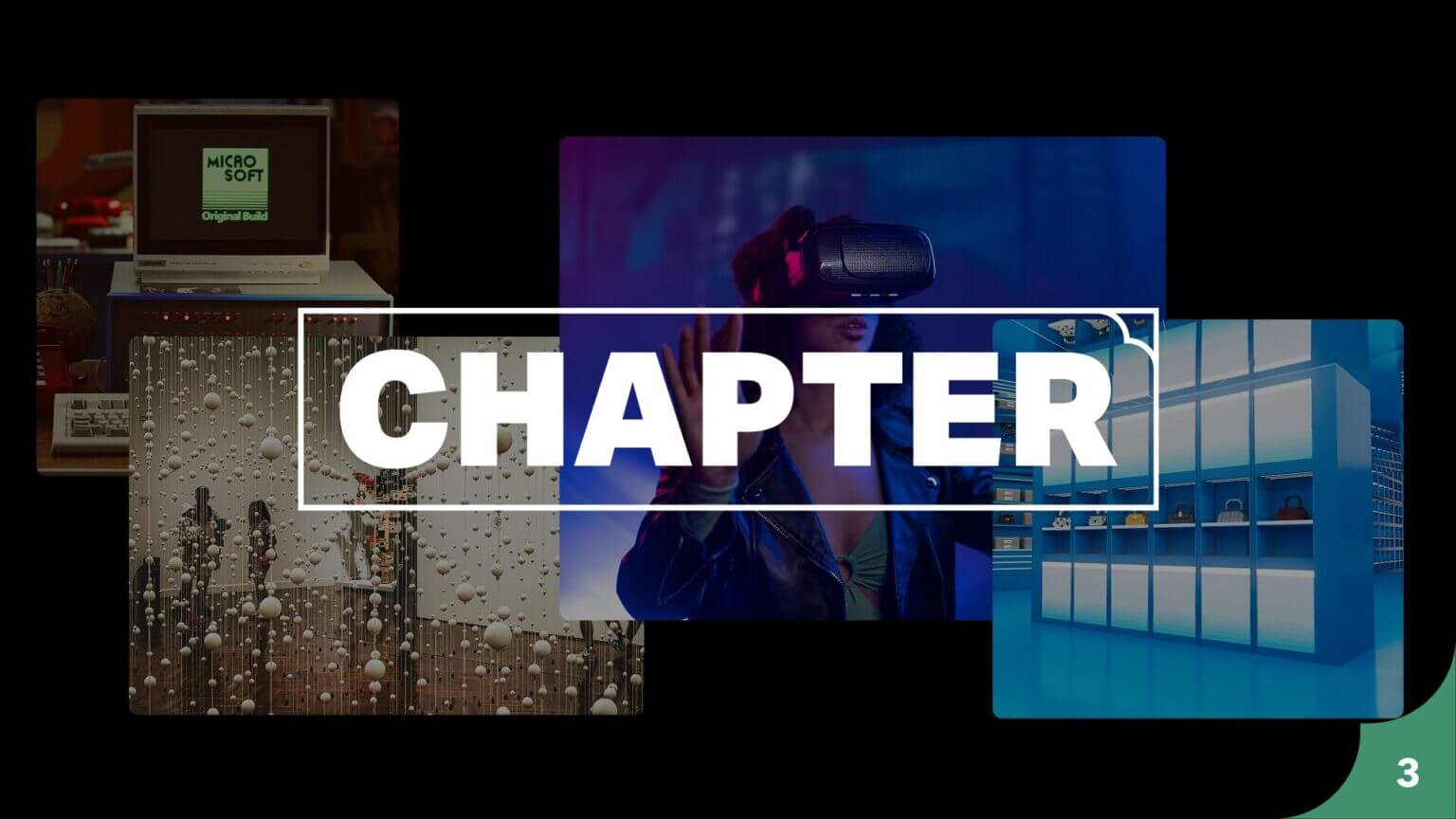
Remixing heritage
In our fast-paced, hyper-digital world, heritage is an appealing anchor for consumers who are craving authenticity and stability.
But that doesn’t mean brands should be stuck in the past. From legacy fashion houses to quick-service restaurants, companies are connecting with their past in innovative new ways. Whether it’s bringing archives to life with AI, reimagining classic games for the omnichannel age, or celebrating milestones through culturally relevant promotions, such tactics show that – far from being a static relic – heritage is a dynamic resource, ripe with opportunities for future-facing storytelling, entertainment, and customer engagement.
“Brand heritage represents much more than a simple collection of memories: it is a living asset that fuels innovation, supports brand identity, and guides future strategies.” [source: Hyphen Group]

65%
49%
60%
Brands can take on new lives, elements of the company can interchange. There needs to be a connective thread, but brands need to understand that they can change the flesh of the company.
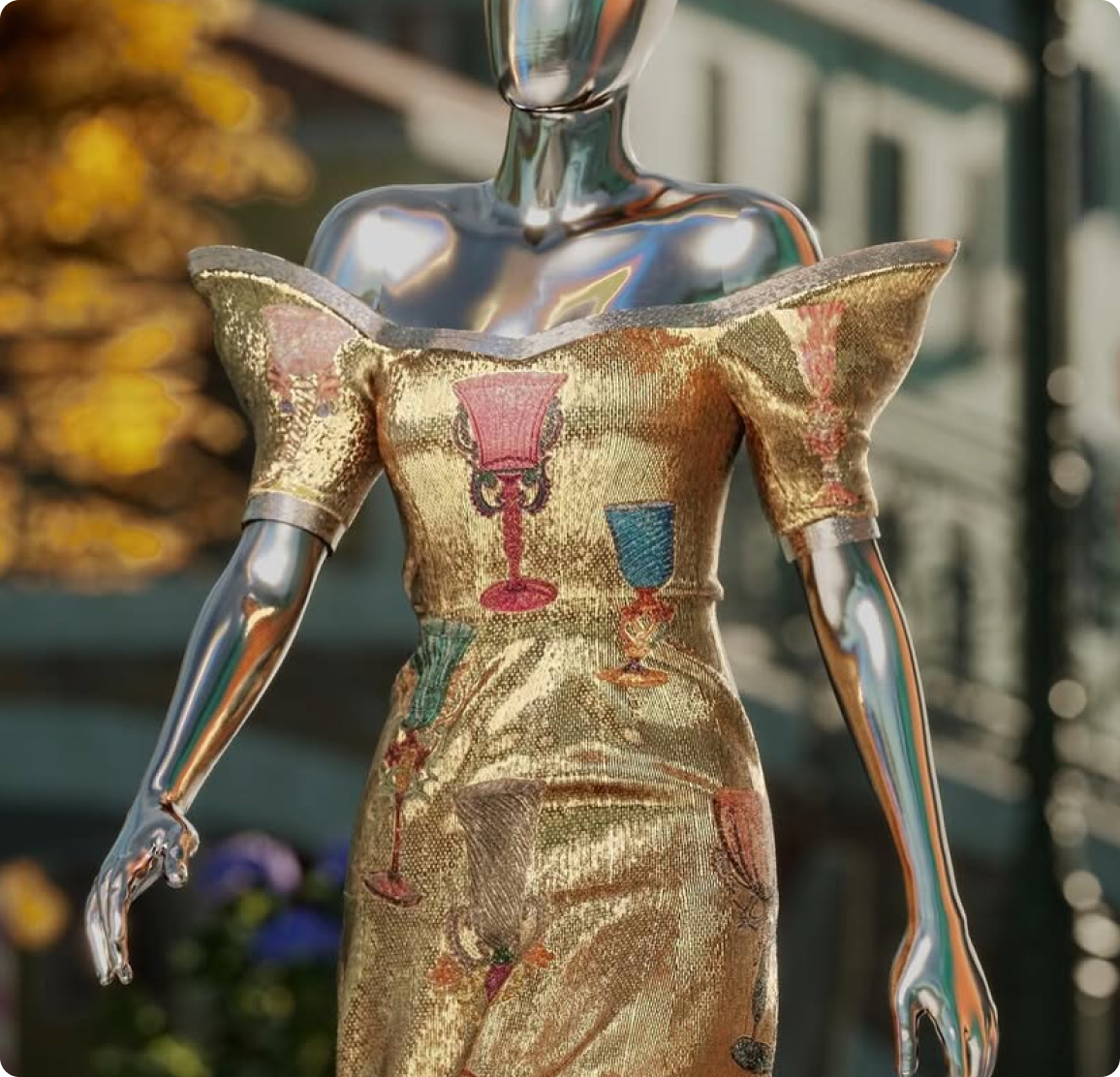
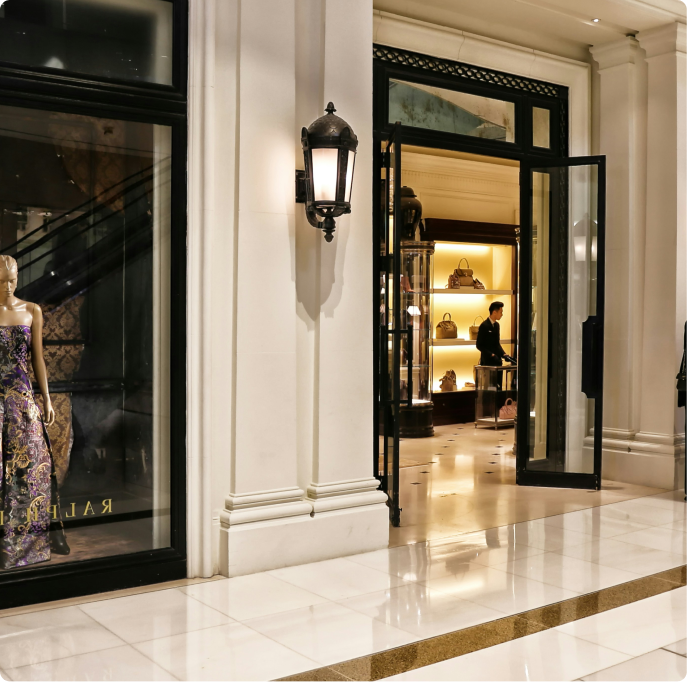
Dolce & Gabbana’s first NFT collection targeted their more traditional audience, showing brands can pay homage to their existing customer base whilst still embracing new movements within the world @nft
Why ‘remix’?
While these findings may sound contradictory, they speak to a customer’s desire for both novelty and nostalgia. Gen Z is curious about brand backstories, respects longevity, and tends to equate this with trustworthiness. But they don’t want legacy brands to rest on their historical laurels, continually churning out the same content; a frisson between past and present is more exciting. Heritage (like a good martini) should be either shaken or stirred.
This Chapter explores how (and why) shrewd marketers are remixing heritage to ensure brands not only endure but thrive in contemporary culture…
Archival allure
Archives are rich repositories of brand IP, providing today’s marketers with an array of storytelling assets. Some are delving into the vaults to revive long-lost product lines – a timely strategy with nostalgic millennial parents keen to introduce beloved childhood toys or franchises to their Gen Alpha offspring. Other brands are inviting tastemakers to reinterpret their back catalogues in fresh ways. In today’s fast-paced ephemeral culture, emphasizing their company’s sticking power and seasoned experience through tangible archives – whether they’re digital or in-store – brings an air of reassurance.
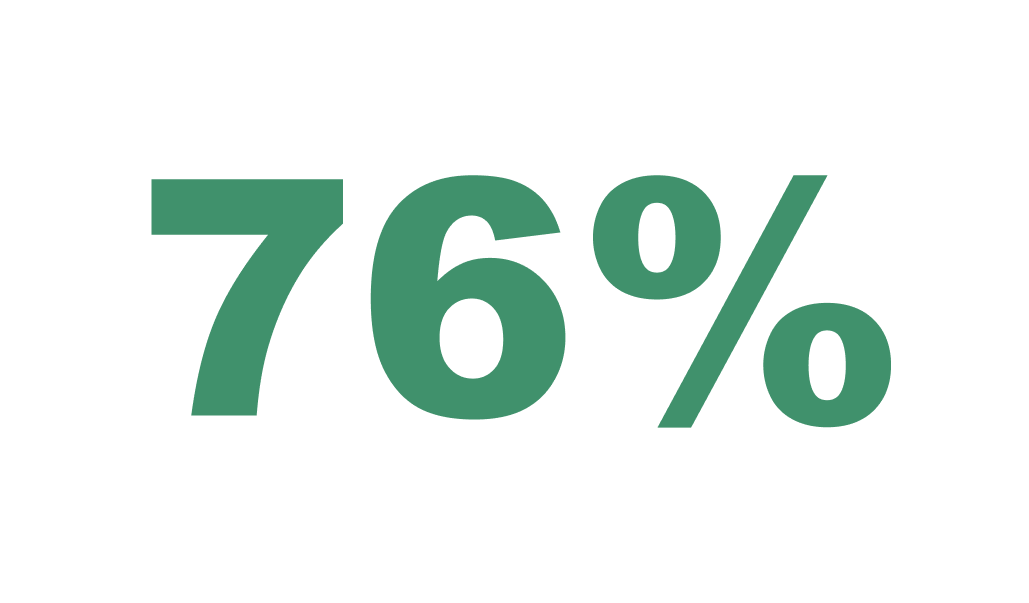
More than three-quarters (76%) of consumers think brands should post more nostalgic content
Tapping the trend
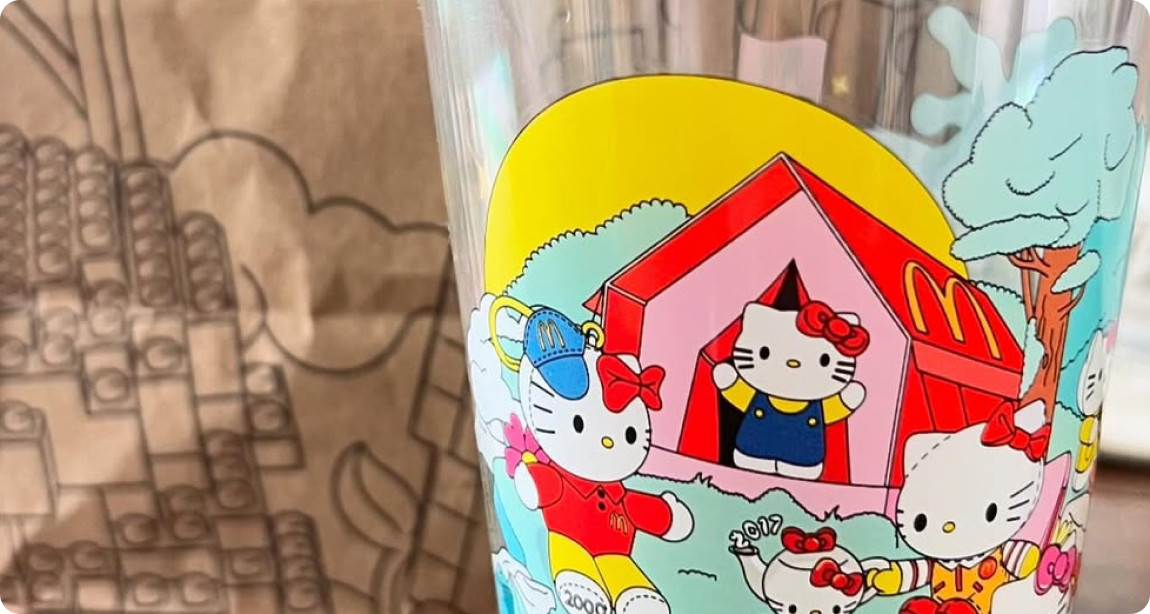
- Merch Goes Down Memory Lane: The Collector’s Meal, a special promotion from August 2024, saw McDonald’s honoring some of its most iconic collaborations from decades past – from the Grimace Mug (1976) to Cowpoke McNugget Buddy (1988) to Pet Lovin’ Barbie (1999). Each Happy Meal came with a collectible cup illustrated with characters from fan-favorite nostalgic franchises. tms’ brand partnerships team made the campaign possible by successfully onboarding the six world-renowned IPs – including Jurassic Park, Beanie Babies, and Hot Wheels – as well as sourcing and designing the drinkware in partnership with lead agency Wieden+Kennedy. Scanning a QR code on the cups opened a Snapchat AR experience with moving illustrations.
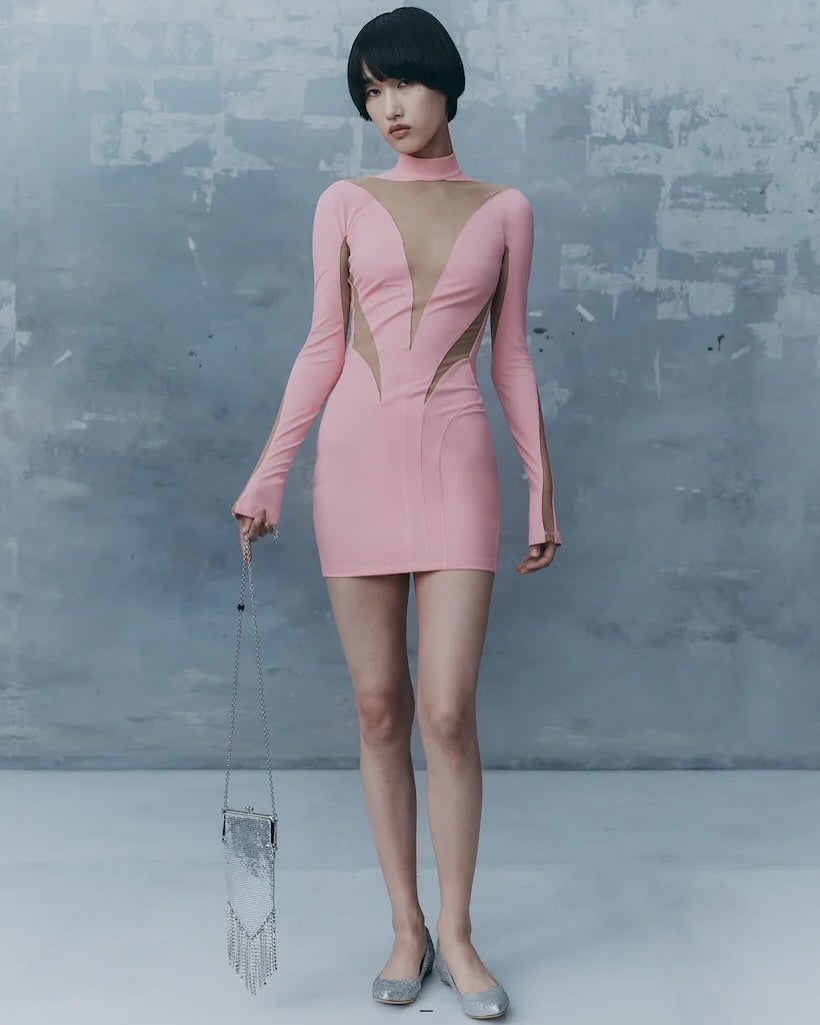
- Tastemakers Mine Archives: Celebrating two decades of designer collaborations in October 2024, high-street retailer H&M re-released select garments from these past collections for a limited time. Ex-British Vogue editor Kate Phelan was enlisted to select and style – or in H&M’s words, “curate and recontextualize” – several hundred pieces to create the shoppable Pre-loved Archive. Sourced from vintage shops and the second-hand platform Sellpy, the ecommerce microsite features designs from legendary figures like Karl Lagerfeld and Stella McCartney, promoting a sustainable fashion ethos that “a good piece can last more than one lifetime.”
- Puma’s Super Archive campaign (March 2025) promoted a special-edition sneaker co-created with soccer magazine Mundial to mark 10 years in print. An example of how to salute shared, synergistic brand heritage, the promo film was shot in two locations: the community football pitches of Manchester, UK, and Puma’s archives in Herzogenaurach, Germany. The King Mundial sneaker itself referenced an iconic PUMA boot from the 1970s and 80s, worn by soccer legend Maradona, incorporating Easter Eggs for fans into the design (e.g., co-ordinates of the bar in Manchester where Mundial was formed were etched into the leather).
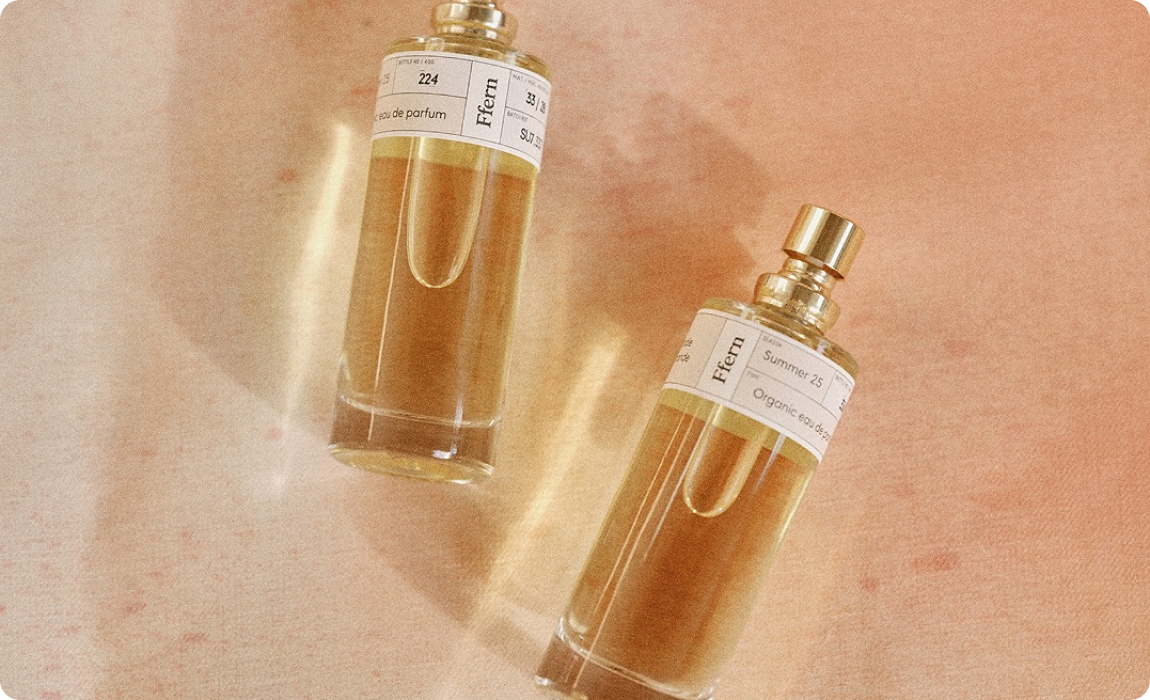
- Building a Back Story: Even newcomers can assemble coveted back catalogues. Take Ffern, the 2017-launched British perfumer, which sells quarterly, single edition æ “drops” of natural fragrances to clients who’ve applied to buy through its “ledger”. These never-to-be-repeated releases can be admired in its London flagship’s dedicated archive room – a site of perfume pilgrimage for the brand’s fans.
While Gen Z is looking for novelty and innovation, they are also living in a very unstable and chaotic time. Brands that tap into their deep-rooted, dependable foundations, before adding a novel twist, will give consumers greater confidence to discover and play.
AI alchemy
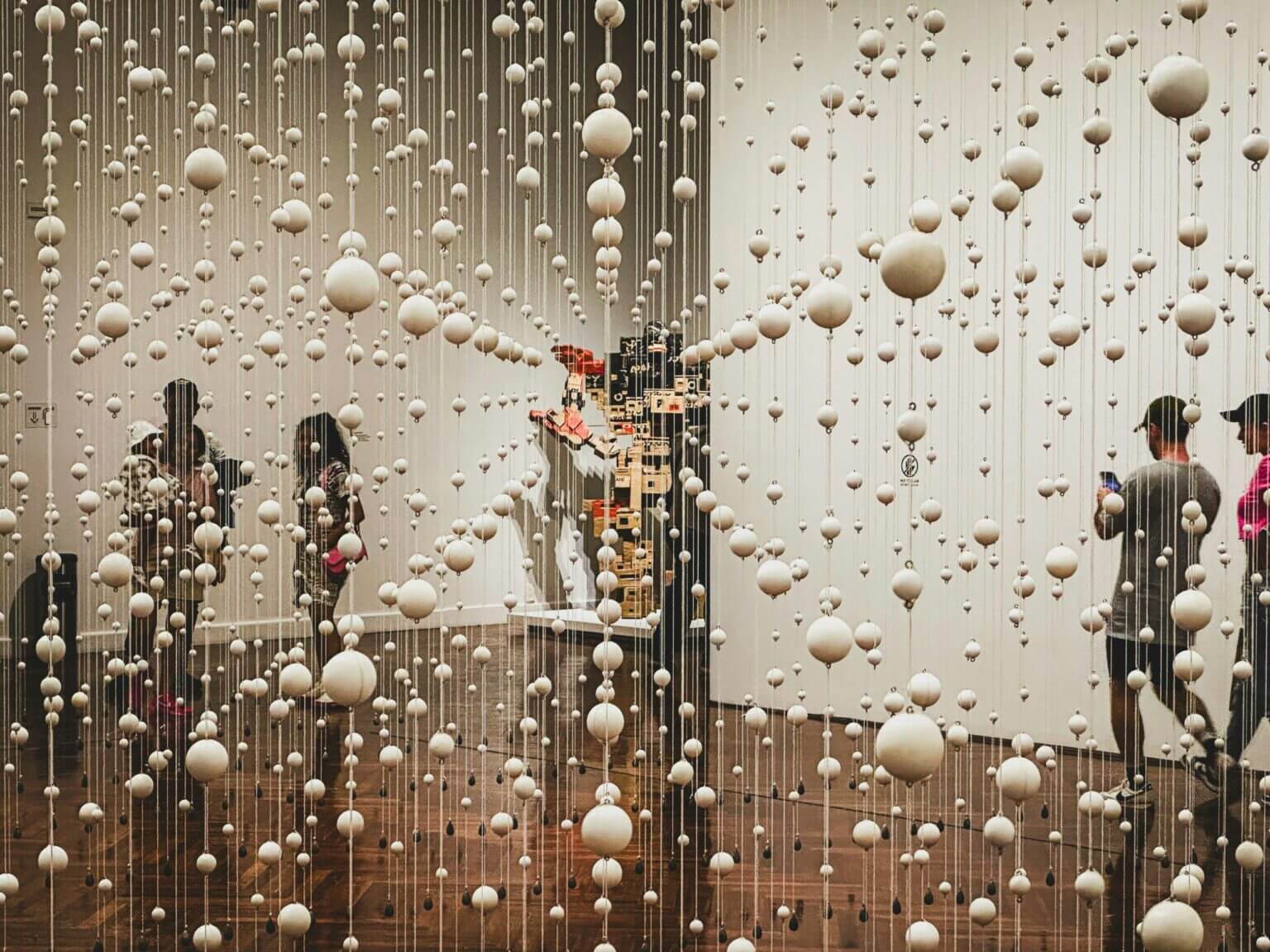
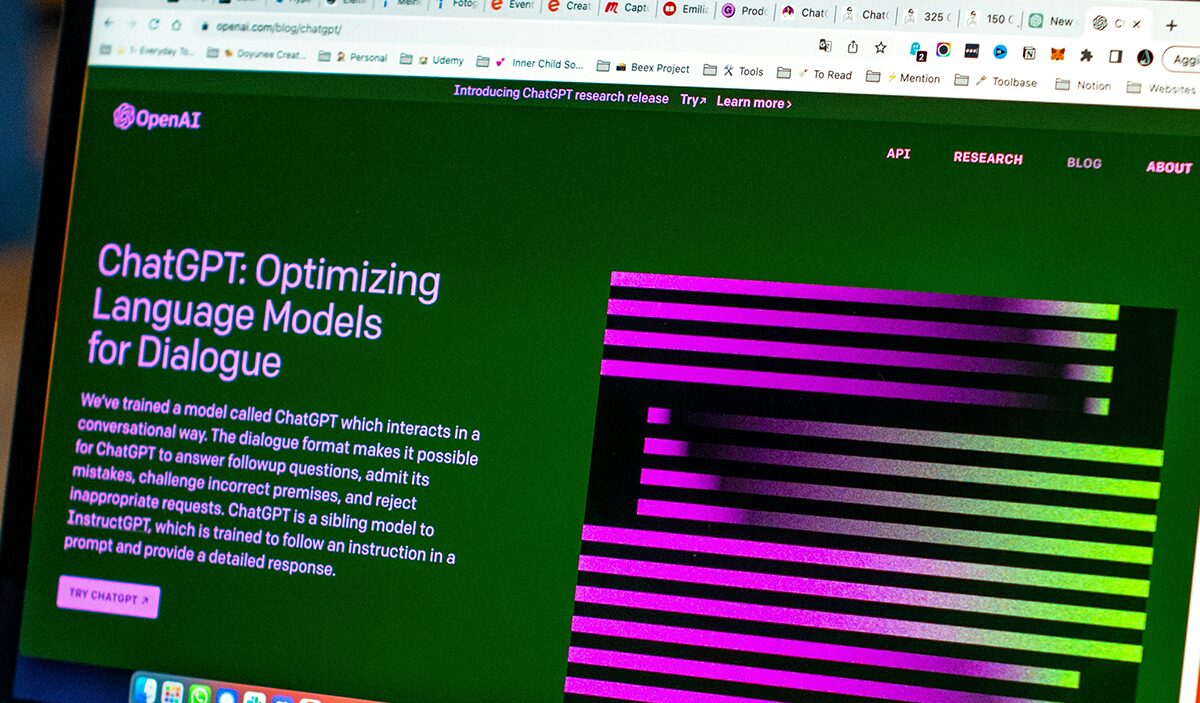
Generative AI is emerging as an exciting way to surface brand heritage – making it more vivid, dynamic, and immersive. While still a nascent technology, museums and fashion houses point the way with prototypes that animate archival materials, whether that’s breathing colour and movement into vintage photos, or simulating conversations with inanimate objects.
In the US, the UK, Canada and Australia, 38% of consumers think AI will make advertising more creative (up +4 points from 2024)- but they want brands to be transparent about its use
Tapping the trend
- Animating the Past: Legacy fashion brands have been using AI artistry to bring old images – making for some compelling social media content. Burberry, for example, created an animated clip from a 1980 archival photograph of a couple wearing its iconic trench coats, while Lanvin turned four sportswear sketches by the luxury house’s founder Jeanne Lanvin, into a beautiful animated sequence, with clothing flowing as the models moved, for an online campaign.
- Time-Travelling Conversations: Natural language models are letting visitors converse with exhibits in museum collections, with a recent pilot at Cambridge University’s Museum of Zoology leading the way. The AI was trained on the specimen’s backstory, allowing it to respond to museum-goers’ questions, such as “what was it like to live in the forest?” or “what did you eat?”. More than a dozen extinct or deceased animals, ranging from a dodo skeleton to a stuffed red panda, were equipped with personas and voices that described their time on Earth and the challenges they had faced, intending to increase interspecies understanding. In a brand context, such a concept could readily be applied to voice objects from their archive and enable dialogues with a company’s founder, mascots, or other key figures from their back story.
- ChatGPT Boosts Ballet Attendance: Aiming to attract a younger audience for its 2024 production Mere Mortals, San Francisco Ballet merged a centuries-old art form with AI-generated “reviews”. Ads incorporated ChatGPT critiques of the on-screen performances – “an ironic, appropriate, and imaginative use”, according to artistic director Tamara Rojo, given the show reimagines the Prometheus myth, which warns of the dangers of technology unleashed. The company reported that the number of first-time ballet attendees at Mere Mortals quadrupled.
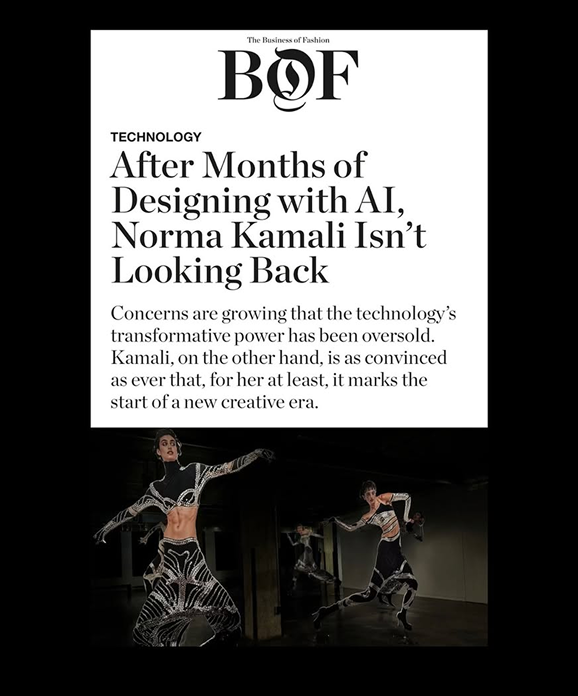
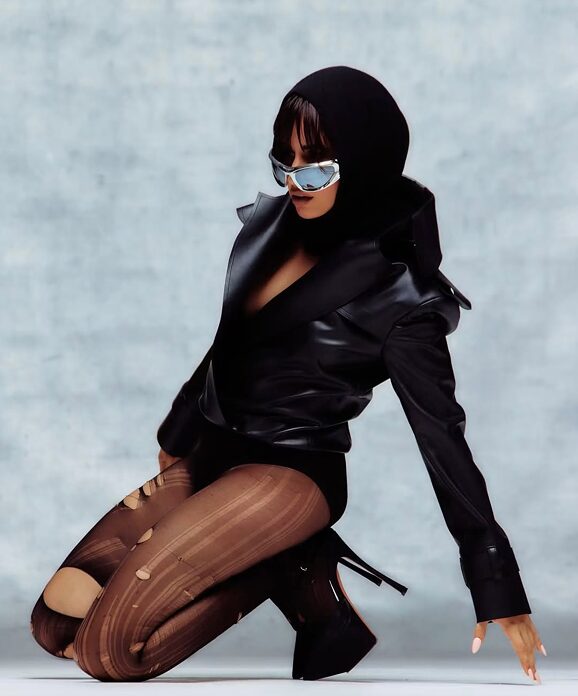
- Creative Succession Planning: “Downloading my brain” may sound like the stuff of sci-fi fantasy, but this is an idea that US fashion designer Norma Kamali is exploring to secure her eponymous label’s legacy. She has developed a proprietary generative AI copilot together with creative agency Maison Meta, trained on her 40-year archive. Showing the work in progress, the brand unveiled its AI-generated collection-cum-art installation, Fashion Hallucinations, in 2024. Ultimately, it could be a way for the company to continue drawing on her creativity and stay true to her style even after she retires.
Contrary to the belief that AI lacks authenticity or craftsmanship, it’s not about the tool but how, why, and for what purpose it is used. AI is a powerful tool that can bring heritage to life through new technology. While there are many debates about AI’s impact on creativity, at Lanvin Group, we believe it enhances our creative potential.
Living brand lore
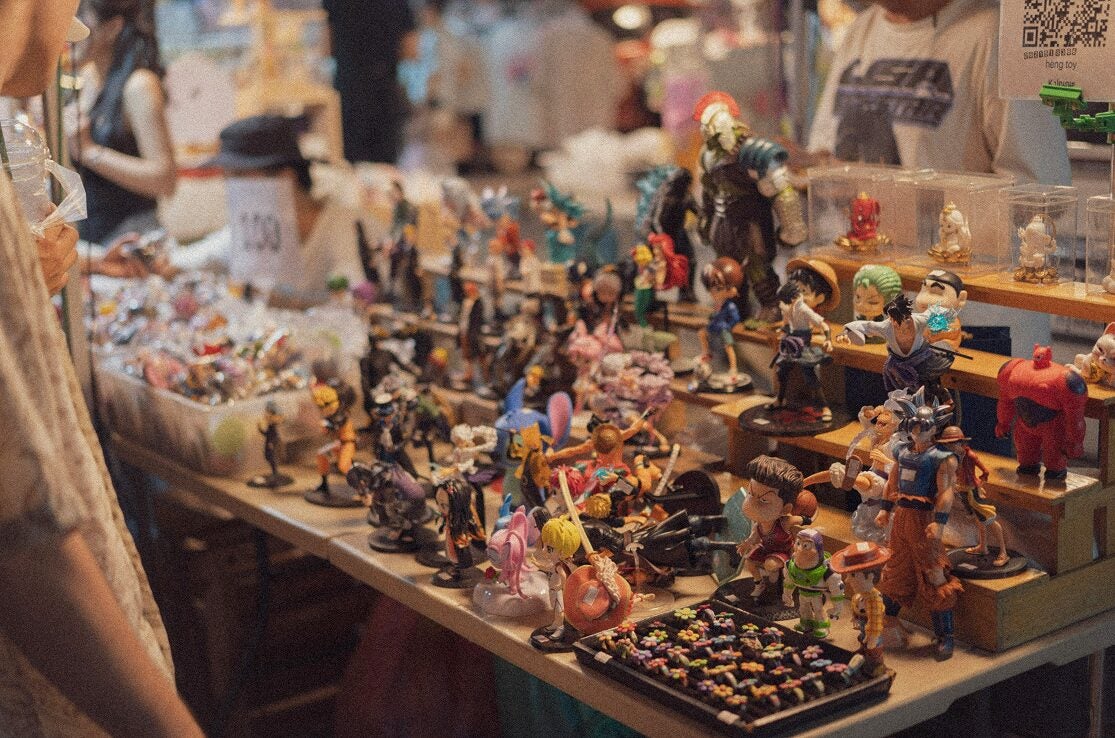
Shortlisted for Oxford Word of the Year in 2024, “lore” is Gen Z shorthand for the personal experiences that define someone’s identity. Whether it’s a personal revelation, older relatives’ reminisces, or speculative histories for fictional characters, TikTokers are avidly posting “lore drops” – think: oral testimonies for the social media age. Shrewd marketers are following suit with activations that plunge fans into a brand’s backstory, as well as content that sheds light on niche subplots or forgotten narratives behind its products.
74% of consumers would be interested in stories on social media about a brand’s founding origin

Tapping the trend
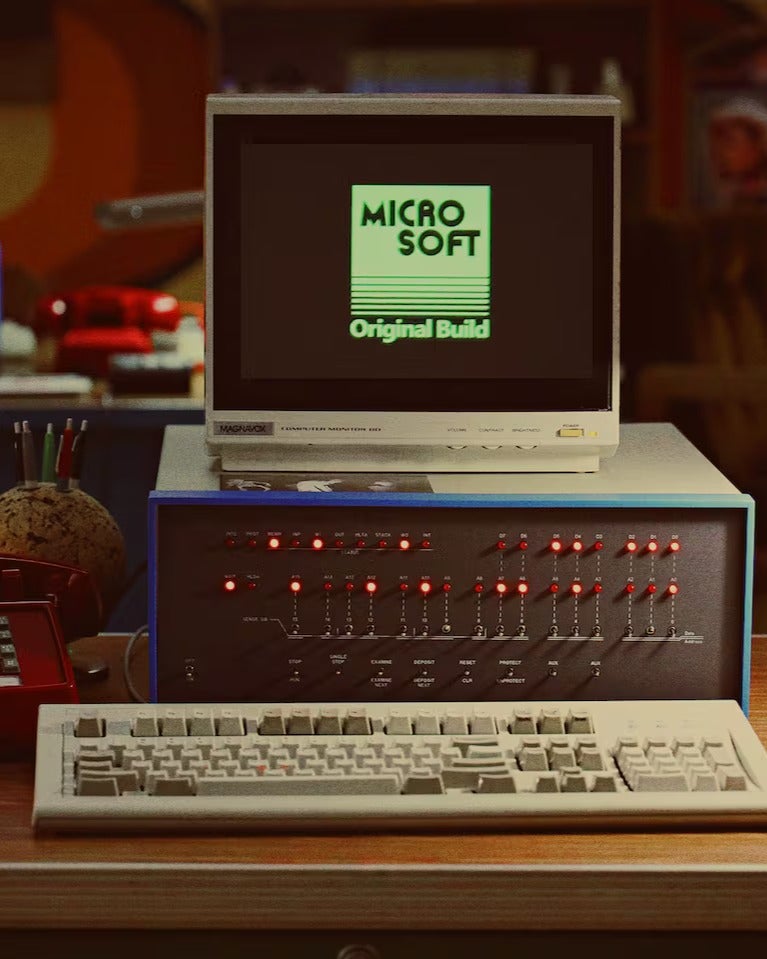
- Retro Nerd Centers: Transporting consumers back to Microsoft’s start-up years, The Original Build recreated a 1970s workspace, like those once used by founders Bill Gates and Paul Allen. At the Seattle event, held in May 2025, guests completed timed coding activities on ‘sleeper PCs’ – hybrid computers with retro exteriors and modern tech inside – to earn a personalized Microsoft employee badge, and access secret interactions, such as watching a long-forgotten Microsoft archive film. From UI design to furniture, the space was art directed with period accuracy, adding rare brand artifacts into the mix. A built-in content zone invited execs and influencers to record their own origin stories, aiming to celebrate the spirit of early innovation.
- Dramatizing Lost Heritage: “Leaning into the lore that has shaped its mystical identity and cultural legacy” – this was the objective of sparkling water brand Topo Chico’s latest campaign, according to Coca-Cola’s senior marketing director, Fred Mitchell. While Topo Chico has a cult following in the US, its Mexican origin story is less well-known. Cue a series of narrated films exploring three fables gathered from Topo Chico’s past, including an Aztec princess healed by mineral springs, a 1902 volcanic eruption, and a haunted 1960s hotel. Though shrouded in mystery, the tales all have kernels of truth; academics consulted on the campaign to bring cultural and historical accuracy.
- Party Like Its 1987: “I Had My Birthday Party at McDonald’s” – a memory shared by many millennials – was the inspiration for the brand’s 50th anniversary campaign. McDonald’s whisked fans back to these feel-good childhood times in its hero film by faithfully recreating a 1980s restaurant interior, right down to menu boards and seating, at its Woolwich site (the brand’s first ever UK address). McDonald’s branches nationwide also received retro styling makeovers, special-edition menu items, and party bags updated with digital activations created by tms. These unlocked and exclusive merch emblazoned with the “I Had My Birthday Party at McDonald’s” slogan, and 1980s-themed objects like a McDonaldland Rubik’s cube.
- Saluting Subcultures: Another marketing masterclass from McDonald’s here – this time in how leaning into more niche areas of brand lore can delight fandoms. A 30-market takeover in February 2024 paid tribute to how the brand’s long been depicted in Japanese anime and manga, as “WcDonald’s”. Food packaging and restaurant signage were temporarily transformed with WcDonalds graphics and a full cast of crew and customer characters by Japanese manga artist Acky Bright. These also starred in an anime mini-series, while an immersive dining pop-up in LA drew on isekai – an anime subgenre where people are transported into a fantasy world or video game.
Fan clubs, effectively surrogate families – especially for the Very Online – have always needed a consistent supply of storylines to pick apart and rumours to digest. Leveraging core pockets of brand mythology and fandom-beloved lore will drive both the spectacle and sense of belonging audiences seek.
Heritage dematerialized
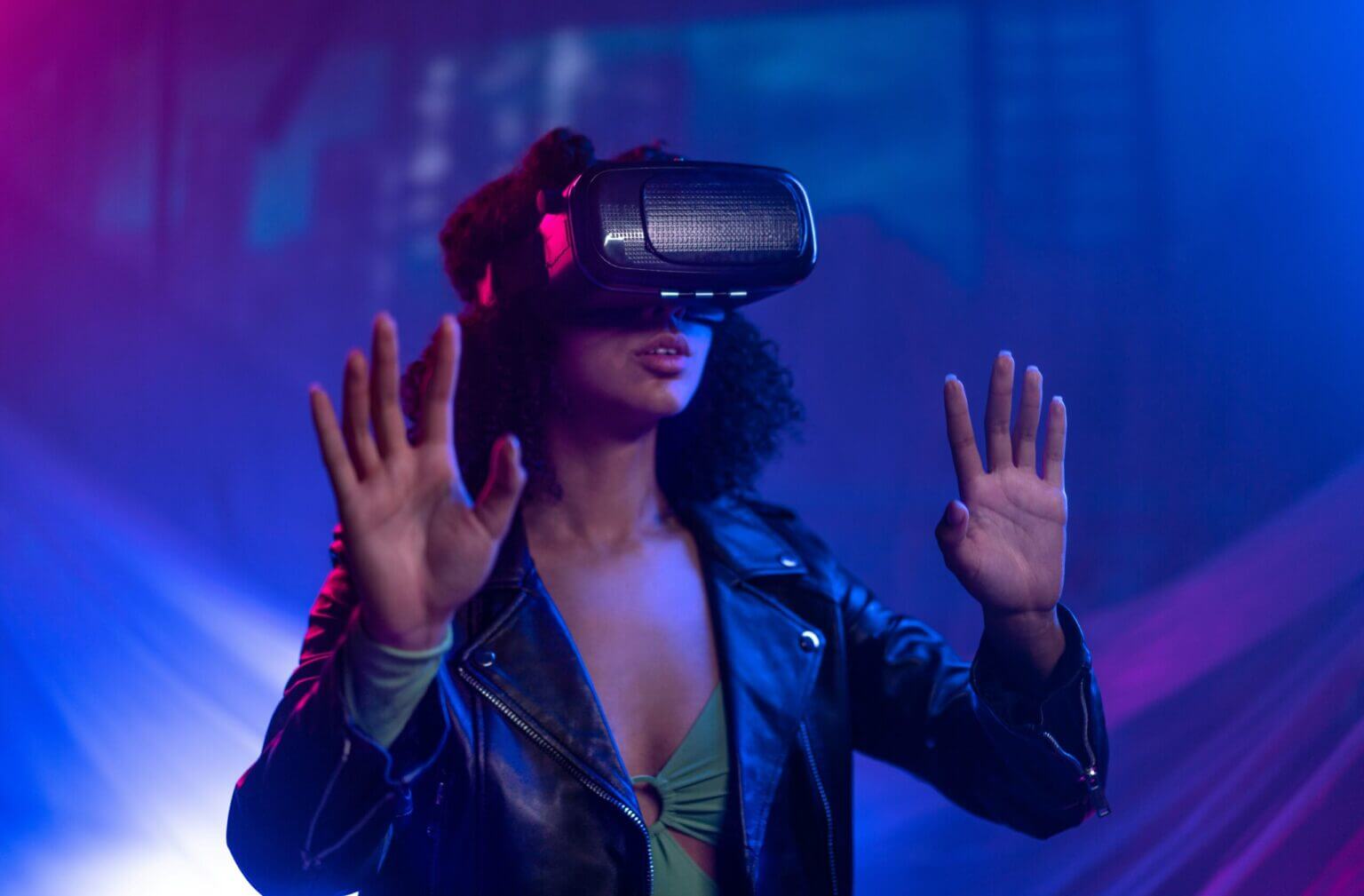
Avatars, gaming quests, metaverse museums – brand heritage is rippling across new virtual realms, as businesses translate their roots for a younger, tech-savvy audience. By creating “digital doubles” of IRL activations on platforms like The Sandbox, Roblox and Fortnite, early adopters are encouraging their customers to explore archival rabbit holes, and complete play-to-learn gamified quests.
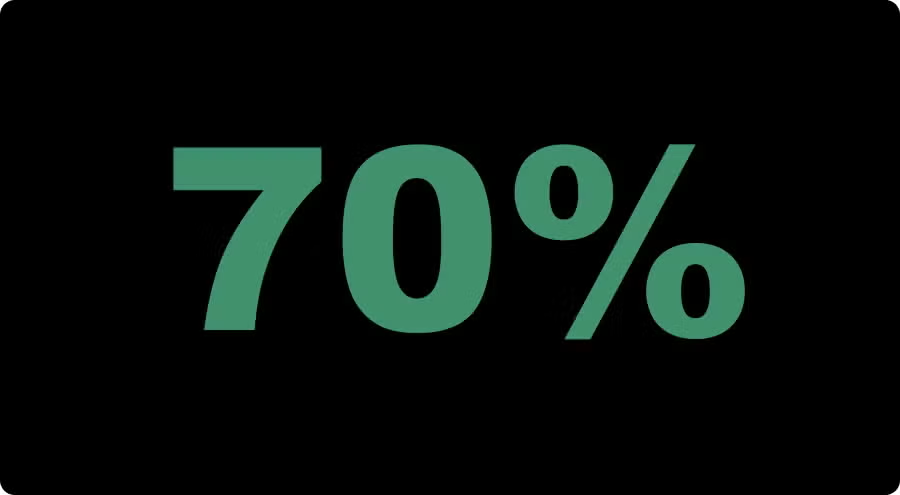
Seven in 10 consumers intend to use the metaverse to access products and services across industries including media & entertainment, and retail, in future
Tapping the trend
- From Chemistry Lesson to Console: A mainstay of school science lessons, the Mentos and Diet Coke experiment creates a spectacular fountain of soda due to a rapid release of CO2 gas. The mint-flavored candy brand has now embraced and updated this spectacle for gaming platform Fortnite. Here, the bottle is reimagined as a giant rocket launcher – aka the “Mentos Fizzooka” – that sprays opponents with fizzy pop, dropped into popular maps around the virtual world. It demonstrates how a spin-off element of your brand backstory can find a fresh lease of life in-game.
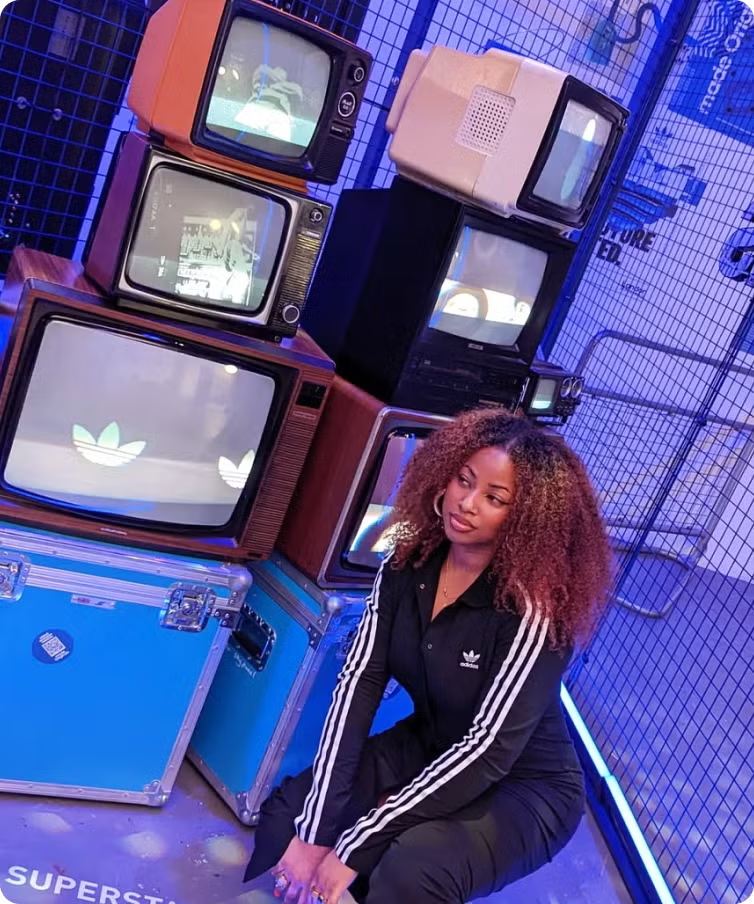
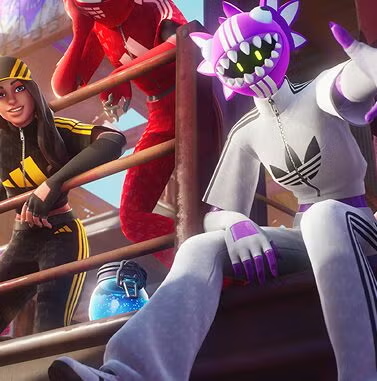
- Digital Doubles: Paying homage to the sportswear giant’s enduring influence on London subcultures, the Adidas ‘made Originals’ campaign wrapped with a two-day omnichannel event conceived by tms. As well as taking over subterranean London venue Ambika P3 with skate demos, exclusive product drops, rapper performances, customization workshops, and previously unseen archival exhibitions, guests were transported to an exclusive Fortnite experience. In this virtual reality version of the “made Originals” universe, participants created personalized 3D avatars, and played alongside London collective Black Girl Gamers. The activation, which also live streamed on TikTok as a shoppable event, clocked up 58 million global impressions, 10,000 app engagements and 1,450 attendees.
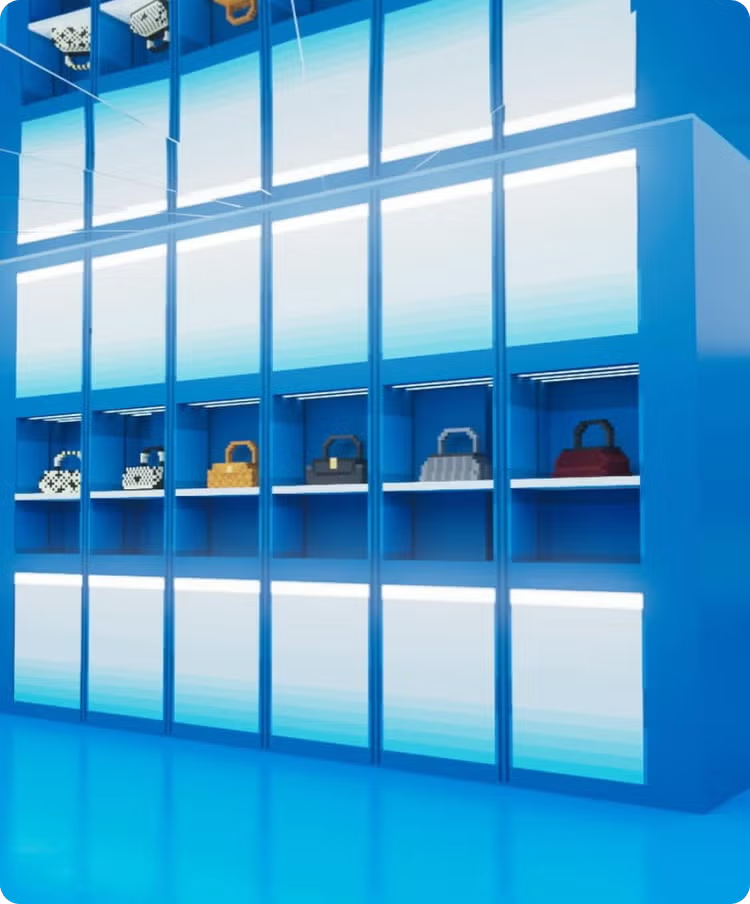
- Brand Museums Enter the Metaverse: Gucci’s been quick to seize the metaverse’s potential for legacy storytelling, such as letting gamers restore a vintage bag, and mirroring its IRL exhibitions online. Gucci Cosmos Land, for instance, replicated 2023’s London exhibition on blockchain-based metaverse The Sandbox. Users navigated virtual worlds inspired by the fashion house’s past chapters, completing quests and discovering never-seen-before archival pieces. The IRL event was equally pioneering, with bespoke soundscapes and hallucinatory projections dialing up the sensory immersion. Gucci’s past-future mashup shows just how thrilling and innovative brand retrospectives can be. Or in the words of exhibition designer Es Devlin: “We’re trying to re-contextualize these famous pieces of Gucci history within the history of technology and civilization.”
What’s so beautiful about these digital spaces is their ability to connect young consumers with a brand’s heritage and purpose in hyper-accessible, future-forward and extremely fun ways – meeting the next generation in their favorite (online) spaces.
The Takeaways
Mature your merch in line with audiences.
Give fans creative control.
Show that play is purposeful.
Trending
Karolyn Leonard speaks on the power of a strong company culture for Built In