Chapter five: togetherness 2.0

Togetherness 2.0
How can future-facing brands catalyze communities at scale? For the next edition of our trend series, we’re tracking how today’s consumers are seeking out solidarity – both rebooting traditional modes of togetherness and evolving online behaviours – and why this matters more than ever.
Automation and polarization, AI-fuelled mistrust and atomized workplaces – these seismic forces are making social bonds feel increasingly frayed. Community is no longer something consumers can expect to passively inherit. Instead, “finding your tribe” becomes an active pursuit.
Some are rebooting traditional IRL gathering places with a contemporary spin. Others are amplifying analogue hobbies to niche online audiences or turning to platforms that encourage participation over passive consumption. This isn’t about shunning social media outright; the quest for deeper, more intentional connections is happening across both the physical and digital worlds. We’re calling this hybrid shift “Togetherness 2.0.”
Brands that help nurture a sense of belonging are more in demand than ever. We’ll see which companies are showing up to counter social isolation and become active participants in fan culture. Research shows that Gen Z overwhelmingly buys from value-aligned communities – so this is a trend brands can’t afford to ignore.
85%
82%
47%
Self-improvement culture collectives

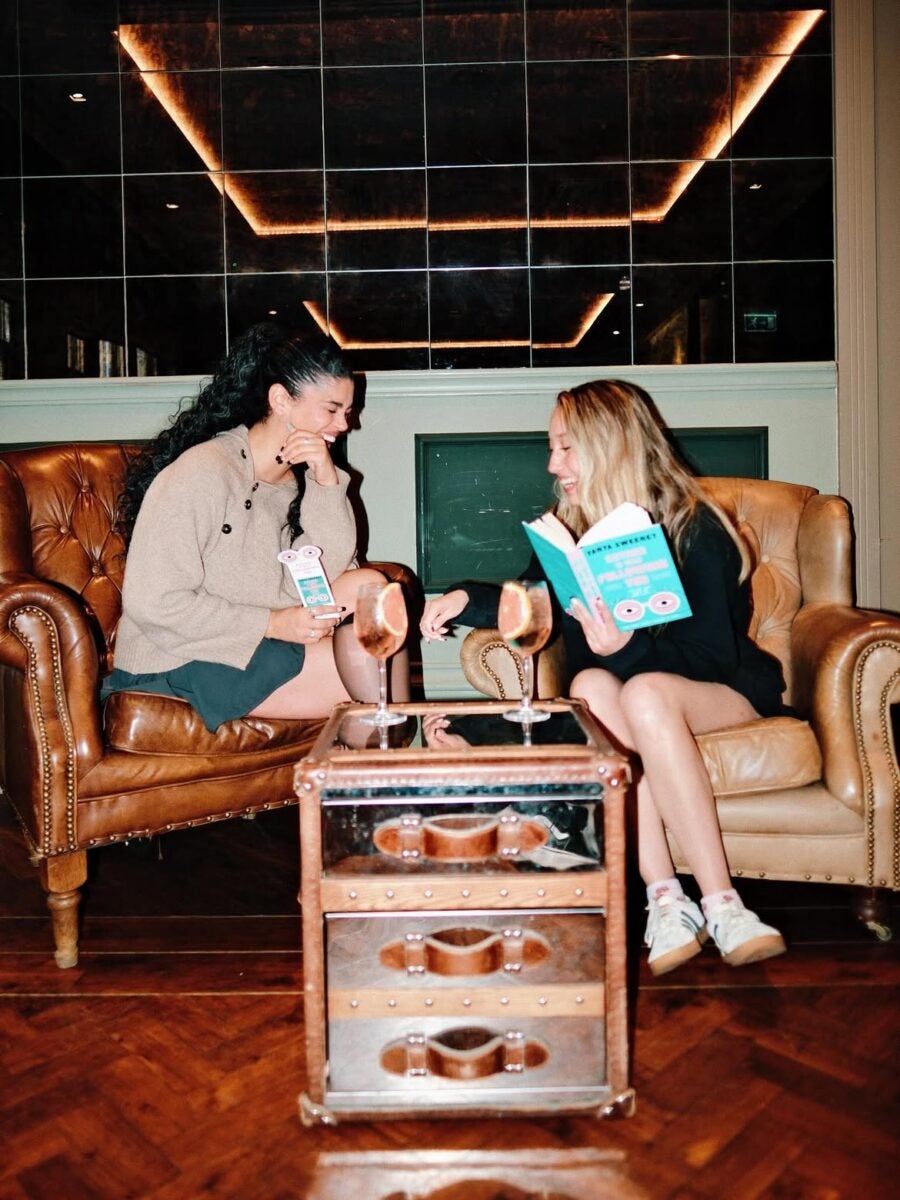
The fact that phrases like “brain rot” (Oxford English Dictionary’s Word of the Year for 2024) and “AI slop” have swiftly entered everyday parlance reflects a widespread concern that technology is making us dumber. A promising counterpoint is emerging, though: surging interest in intellectual pursuits, reborn for a new generation. Shifting from solitary study to community activity, these new-wave knowledge-seekers are flocking to reading retreats, pub-based lecture series, and book bars where wine accompanies literary conversation. One UK micro-chain has even started hosting “Read Dating” events to matchmake likeminded bookworms. The trend is equally active online, as Vogue recently hailed the rise of “bookish influencers” who are “bringing depth, nuance and substance onto our screens”.
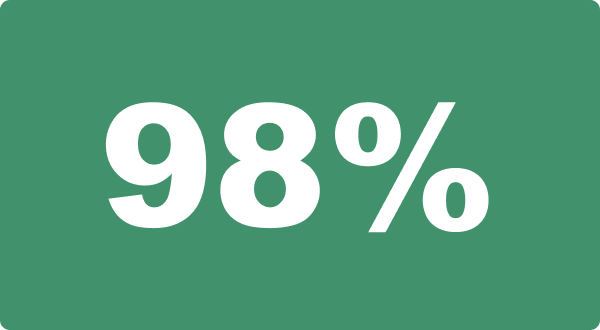
In the US, 98% of book club members say that attending improves their mental health
Tapping the trend
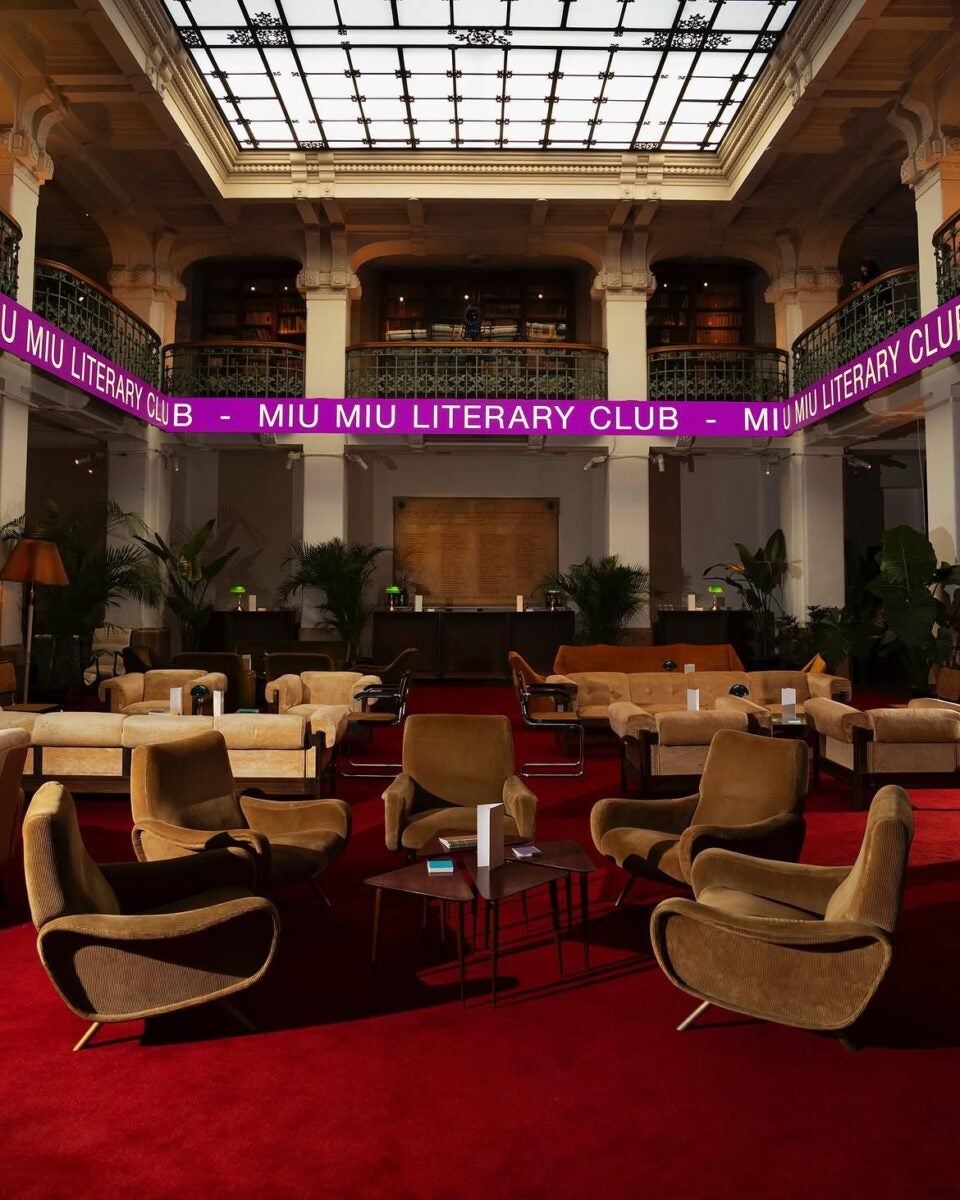
- The bookworm boom: Reading mania, spurred by the long-standing #booktok community on TikTok (77m posts), is not only boosting independent bookstores but also enticing major brands from other sectors to particate. At Milan Design Week 2025, fashion house Miu Miu hosted a two-day literary club featuring panel discussions and performances about women’s role in society, while J.Crew partnered with trans-Atlantic book club Buffy’s to host a ticketed literary salon. UK department store Selfridges hosted a pop-up edition of much-hyped, late-night book club The Read Room in May 2026. At the other end of the spectrum, silent reading circles cut the distractions and combine togetherness with introspection.
- Social media gets studious: Looking for an antidote to the superficial online subculture of looks-maxxing, as well as a more tangible record of their media consumption, some social media users have hit upon an intriguing solution: knowledge-maxxing. Posts might include sharing excerpts of their commonplace books – repositories of personal notes, quotations and clippings from books and articles that have resonated. It signals how, for Gen Z, there’s no dissonance between intellectual self-improvement and sharing culture.
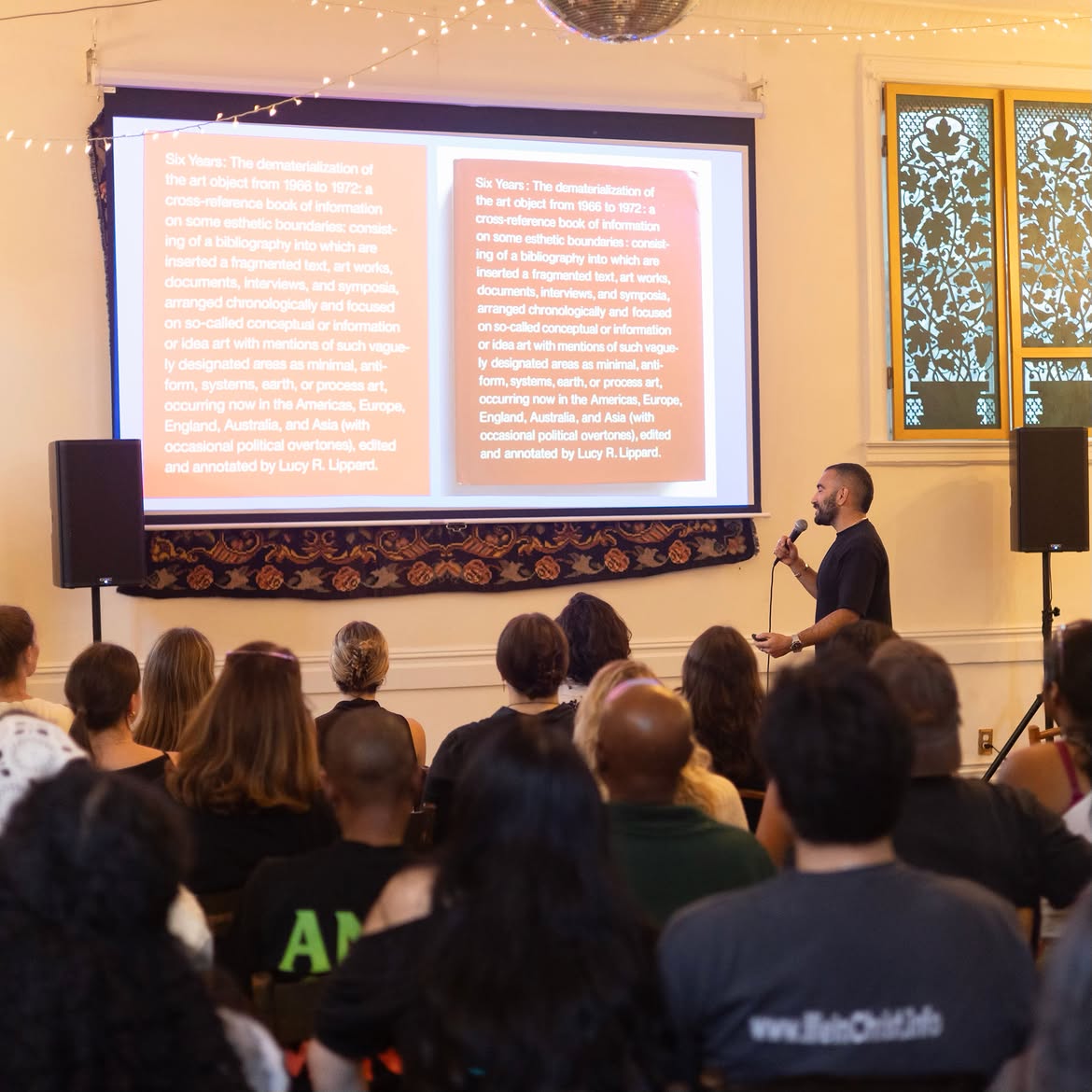
- Nerdy nights out: The buzziest night out in Los Angeles these days? It’s academic events series Lectures on Tap, which turns neighbourhood bars into makeshift classrooms. Also held in four other US cities, and frequently selling out, the thought-provoking talks from guest experts cover everything from economics to cinematography, Jungian psychology to Aristotelian Logic.
- Getting gen alpha reading: Galvanizing the next generation of bookworms, tms has helped McDonald’s extend its Happy Readers® program. As well as including free, compact editions of the inspirational “I Can Dream Big” series to children’s Happy Meals as an alternative to plastic toys, the storylines are extended through interactive digital elements and educational games, accessed by scanning QR codes on book covers. A remarkable 50 million copies have been distributed to date. The brand has also run a summer book tour that staged “read-a-longs” outside a colorful double-decker bus, while its Parents’ Reading Club encourages families to enjoy stories together, with tips on how to read aloud in a more engaging way.
Against a backdrop of AI reliance, attention hacking, and short-form overload, audiences have started reaching for something that actually means something… depth has become its own signal of credibility.
Campaigns combatting loneliness

Despite their online proficiencies, today’s youth – dubbed Gen Lonely – are becoming increasingly disillusioned with sponcon-saturated platforms social media platforms, viewing these more as places for entertainment than forging meaningful connections. Meanwhile, with their tech-heavy upbringings and formative years hampered by Covid, many Gen Zs need an extra helping hand to counter anxieties about IRL interactions.
Empathetic brands are helping to spark low-effort in-person interactions and fill the gaps left by overstretched or underfunded public institutions. This can mean giving underused urban spaces a fresh lease-of-life with community-building events, creating IRL iterations of popular apps, or bucking the trend towards automation and efficiency by encouraging slower-paced, conversational retail.
Compared to two decades ago, young adults now spend 1,000 fewer hours in person with others
Tapping the trend
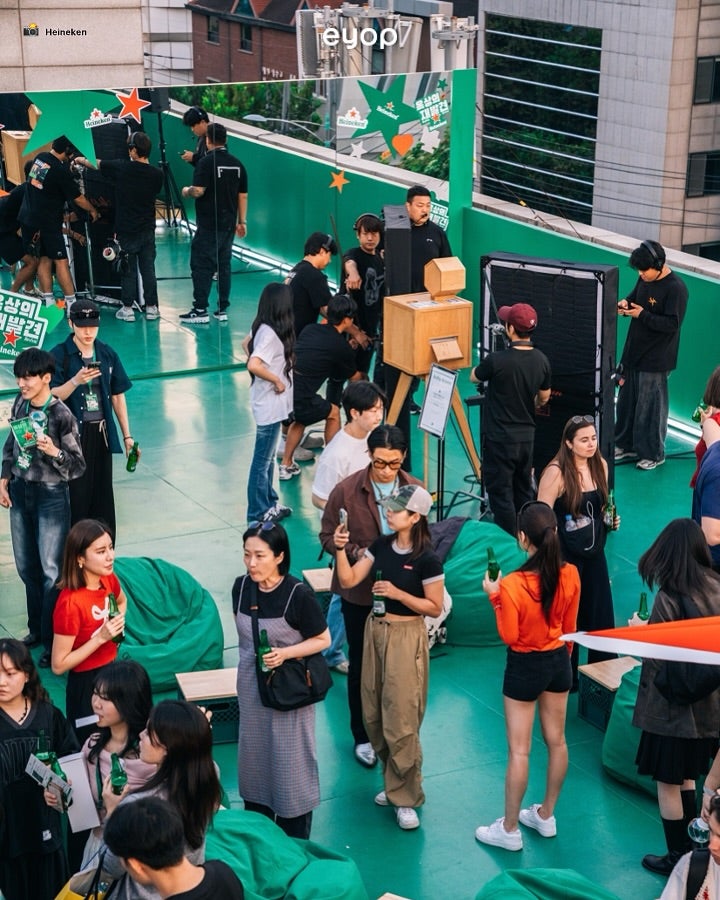
- Seoul’s rooftop revival: Setting out to address the urban “proximity paradox” – where social disconnection prevails despite physical closeness – Heineken converted a series of Seoul’s disused rooftops into social spaces. Satellite imagery of each site was shared online with a red star (referencing Heineken’s logo) marking the location, inviting citizens on an urban treasure hunt to track down these spots city-wide. “In an era where urban environments prioritise productivity over connection and living and socialising spaces are shrinking, there are many forgotten spaces that can become places of renewal,” said South Korean architect and collaborator Byoung Soo Cho of the Rooftop Revival campaign. Encouraging more IRL connections among young people has extra resonance given South Korea currently has one of the lowest birth rates in the world.
- From swiping to assembling: As online dating burnout has seen consumers’ turning away from matchmaking apps in favor of IRL singles’ events, these platforms are striving to show they’re invested in members’ mental wellbeing. Backed by a $1m fund, Hinge’s One More Hour program encourages young people spend an extra hour per day connecting face-to-face offline, publishing free resources (such as a 100-page phone-shaped book) to spark ideas as well as organizing day-long, in-person “Assemble” events in partnership with local travel guide platform Trippin.
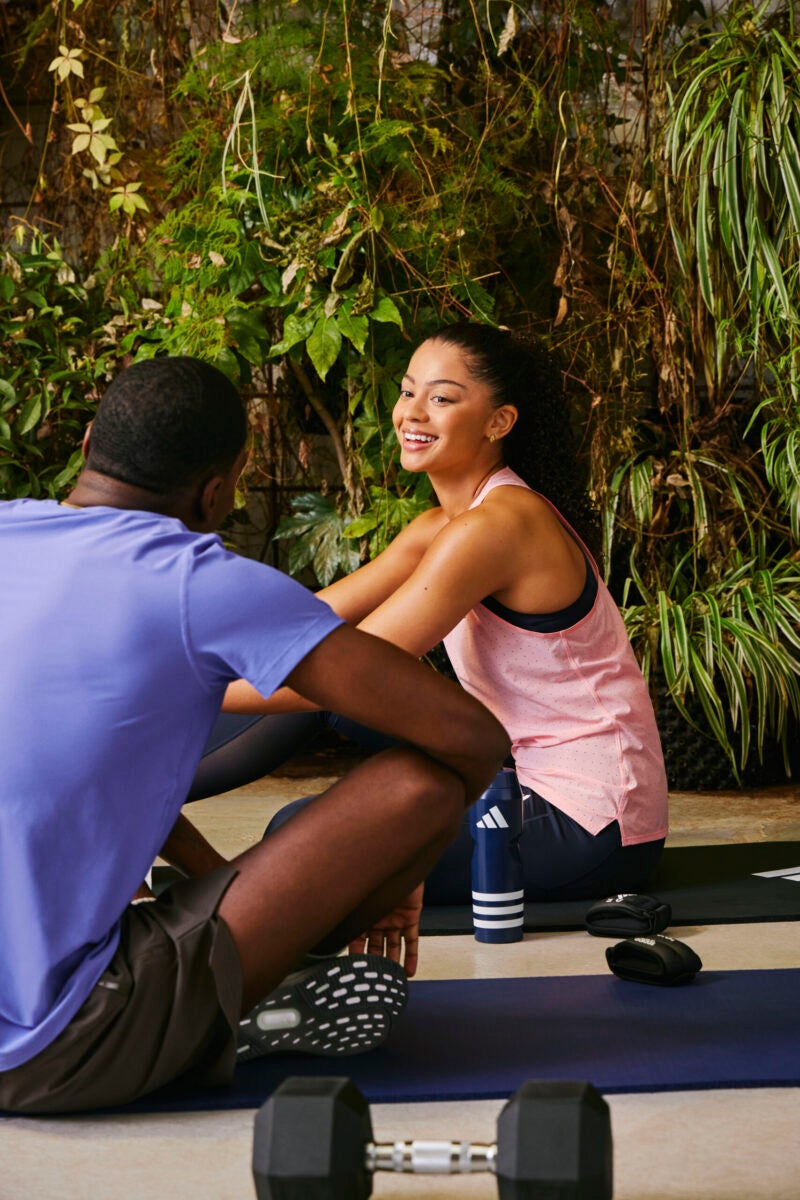
- Leveraging loyalty clubs: Partnering with tms, sports giant adidas gives its loyalty club a social dimension with adiClub Days. The annual activation, now in its third year, invites members of the brand’s free-to-join community to limited-edition product drops, special prize raffles, points-to-spend swaps, and lifestyle experiences such as sunrise yoga or sneaker customization workshops. The events unfold each April in locations from Singapore to South Africa.
- Chatty cashiers: Not everyone wants large-scale networking events or highly curated social experiences; softer forms of togetherness can also play an important role. To benefit lonely (and older) shoppers, British supermarket chain Morrisons rolled out ‘Talking Tills’ nationwide in December 2025. These checkout points offer a more leisurely, conversational style of service from staff, in contrast to the anonymized efficiency that’s become commonplace in many grocery stores.The success of grassroots movement Empty Chairs – pub meetups for strangers to chat with each other, with editions springing up from Australia to Sweden – also indicates consumers’ keenness for conversation-sparking initiatives.
Brands should consider how their product or service could be reimagined as a social catalyst. Are there underutilized spaces in your community that could transform into areas for connection? The goal here is to craft moments that feel natural and authentic, not forced or overtly branded.
Fandom friendships

From Swifties to Potterheads to BTS’ ARMY, mutual devotion to pop culture figures or franchises is one of the most powerful ways for consumers to find a sense of belonging – their rituals and awe-inspiring gatherings fulfilling a fundamental need in today’s secular society.
Instead of passively listening or watching along, today’s fandoms are empowered by a growing array of platforms that make it easier than ever to seek out likeminded individuals and express their devotion on a global scale. Remixing official music videos, posting reaction videos and sharing fan art are just a few examples. On cue, shrewd brands are creating campaigns and promotions that salute fan creativity, as well as new leisure destinations that deepen the immersion and bring these ‘found families’ together.
For 96% of Australian Gen Zs, pre- and post-event celebrations such as artist-themed parties, behind-the-scenes, or in-person fan meet-ups (74%) are just as important as a live concert
Tapping the trend
- Stream parks: For consumers who’ve binge-watched an entire season and are wondering “What now?”, Netflix’s new, permanent fan destinations may fill the void, turning much-loved content into IRL connections. Combining cinemas, restaurants, retail shops and interactive attractions, the first Netflix House opened in late 2025 and occupies a former department store in Pennsylvania. Attractions include an escape room based on manga series One Piece, and a Wednesday-inspired fairground and school corridors, while tms helped translate the IP for several hit shows into a fan-approved drinkware line, offering visitors a physical memento of their day out. Differing from traditional theme parks, Netflix House is modular and adaptable, reflecting its diverse and changing content catalogue, plugs into commercial infrastructures and entry is free (revenue comes from paid attractions, catering and merchandize sales). Time Magazine included the concept on its list of The World’s Greatest Places of 2026.
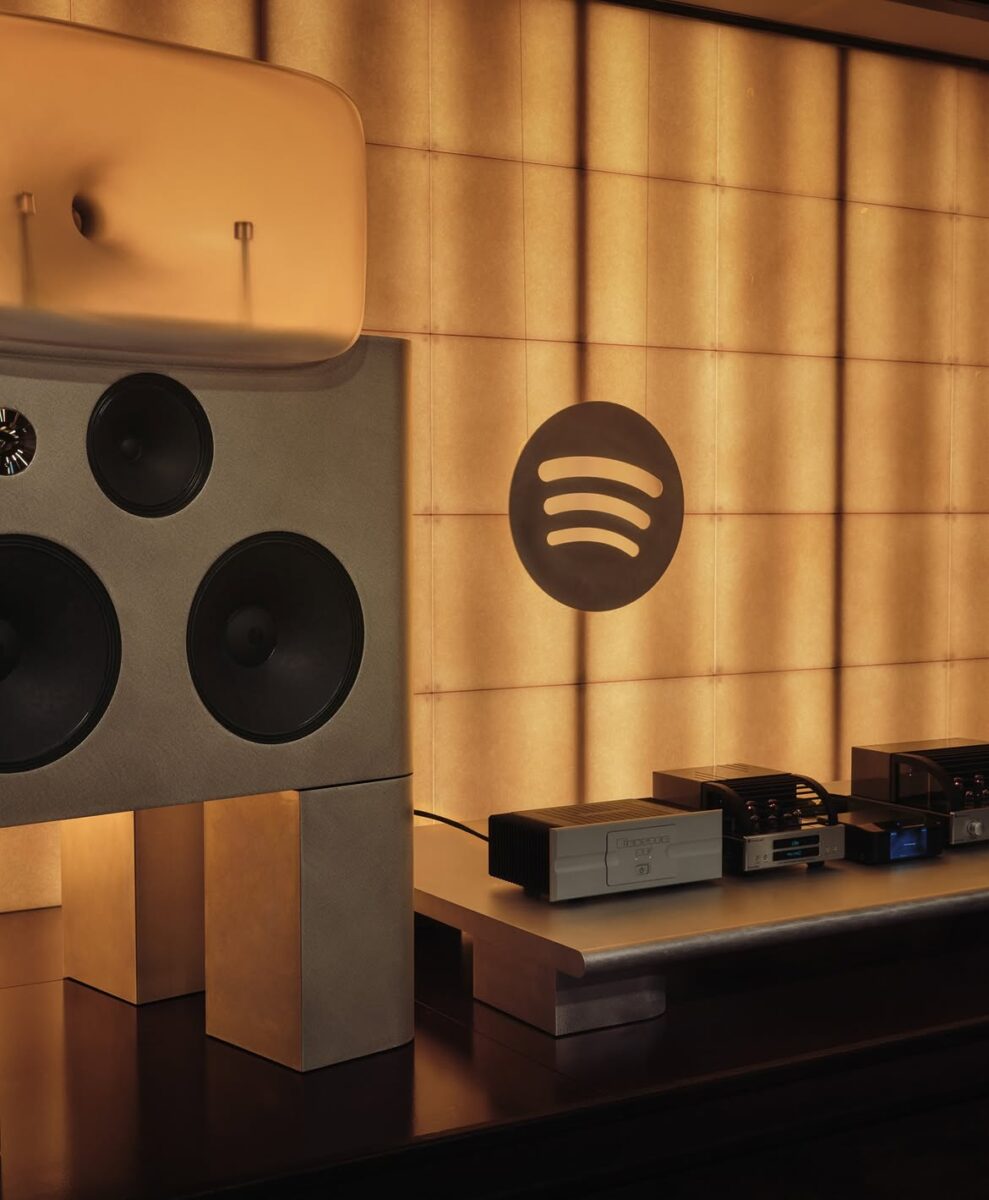
- Saluting superfan rituals: Spotify’s Fan Life, now in its second year, is a global marketing initiative that celebrates the real-life rituals of seven different music fandoms. In a series of short films, devotees of seven different artists are shown partaking in the distinctive rituals and celebrations that define their communities, whether it’s a dance party with a Bad Bunny fan and his abuela, or Sleep Token fans painting pink flamingo statues black in homage to the band’s mascot. Further fueling connections offline, Spotify has launched a Listening Lounge in London for top listeners and Premium users to access a year-round program of live events. Another of Spotify’s recent streaming-to-socializing activations was “This Is Taylor Swift. A Spotify Playlist Experience” . Touring three Asian cities last year, it offered interactive galleries themed around her musical eras and limited-edition merch.
- Game days go global: Of the myriad brand tie-ins around The Premier League, drinks sponsor Guinness’ campaign “A Lovely Day” stood out for focusing on soccer fans found far from the stadiums – across Africa and South-East Asia. Shifting focus away from home audiences, the creators VML instead scouted fan communities in overlooked corners of the Global South. The films showcased their “small acts of devotion that make football feel bigger than the pitch” – the gatherings, the preparation and the emotional investment before the game – from Premier League Arsenal Gospel services to salons creating football-inspired braids.
- Cartoon co-creation: Appealing to the 54% of Gen Zs who identify as anime fans, McDonald’s 2025 global campaign “WcDonald’s” by tms involved a four-episode series of anime shorts on YouTube – giving a playful nod to how the golden arches often show up in Japanese cartoons – and a fan-created music video. This in turn sparked a wave of consumer-generated content on YouTube, with delighted fans explaining the WcDonald’s universe, touring the immersive WcDonald’s pop-up experience, and reviewing the limited-edition menu items.
Being in a fandom means taking that extra step beyond consumption into modes of participation. When we talk about fandoms, we often talk about community because you can’t be in a fandom alone. You can really love something but being in a fandom means you seek out others who love the thing.
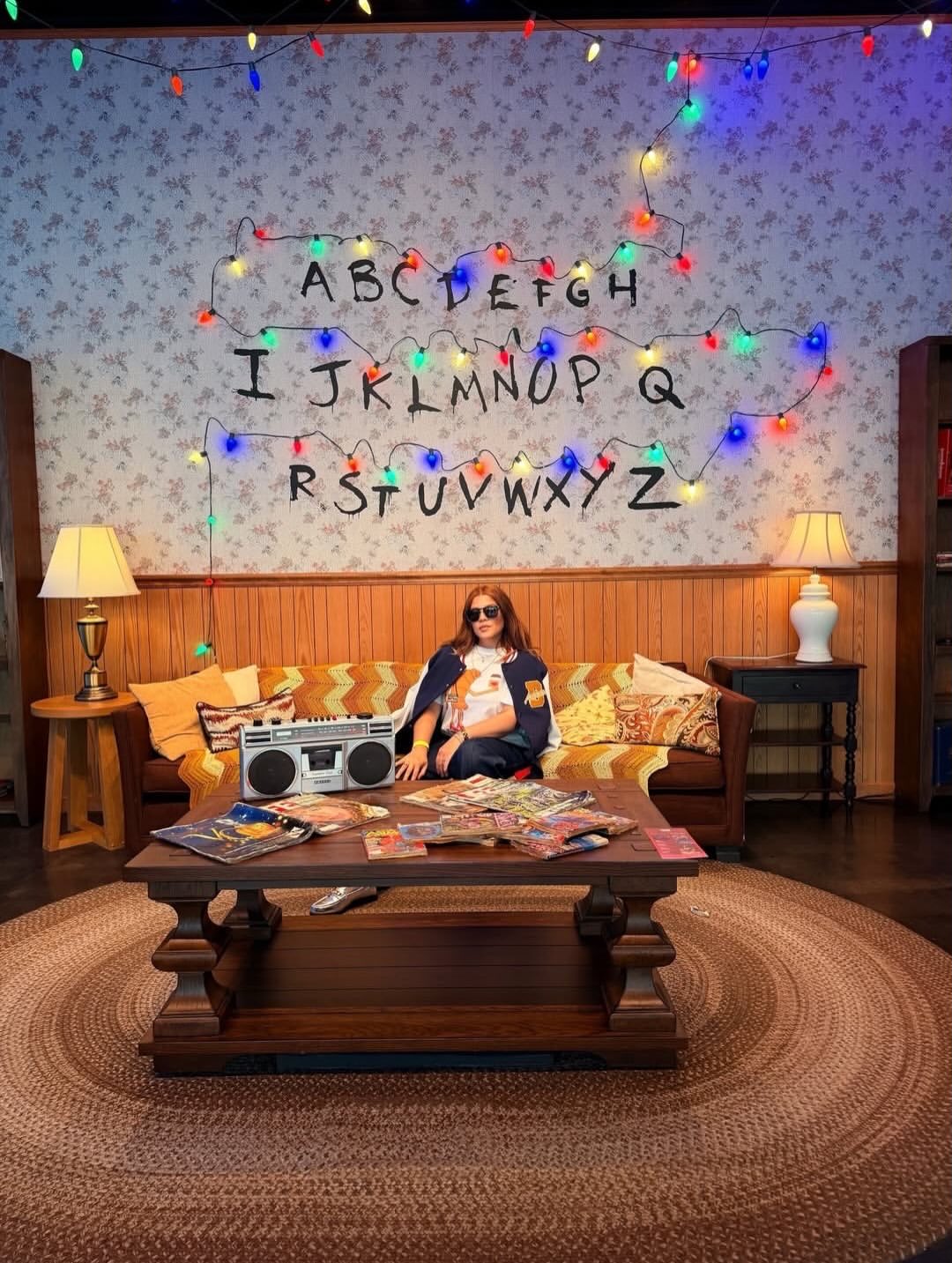
Rebooting retro socializing

Analog leisure pursuits from bygone eras have been making a quiet yet significant comeback. Young, urban consumers are flocking to book clubs, vinyl listening bars, and crafting circles, putting a sociable, subtly hedonistic spin on the mindful hobbies that many cultivated during the Covid lockdowns. This yearning for more tactile, grounded and screen-free experiences is in part a reaction to today’s digital-first lifestyles and the ensuing sense of burnout; in the new wave of intimate IRL gatherings and sanctuary-like spaces, audiences can be temporarily transported a time when trolling, catfishing and deepfakes all sounded like the stuff of science fiction.
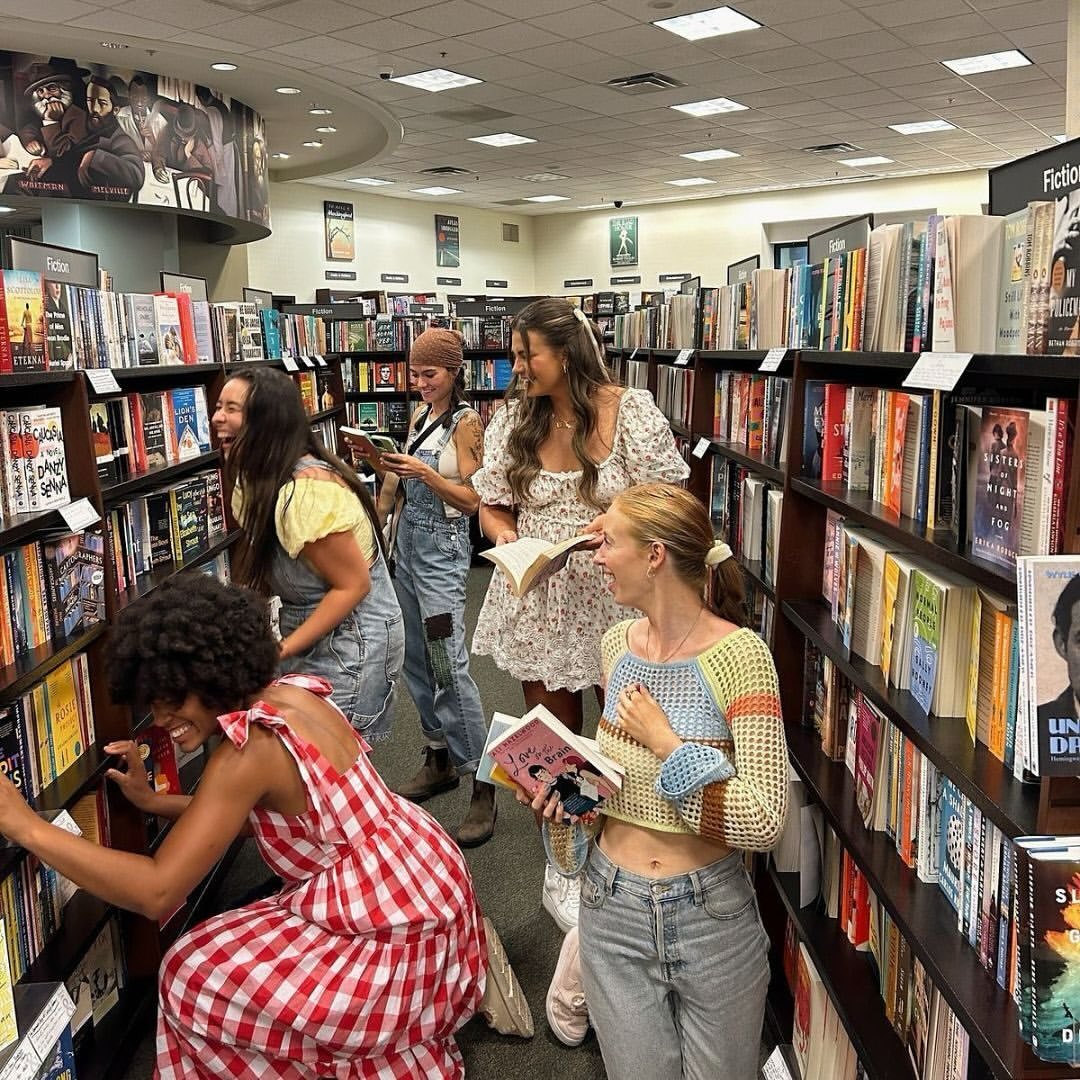
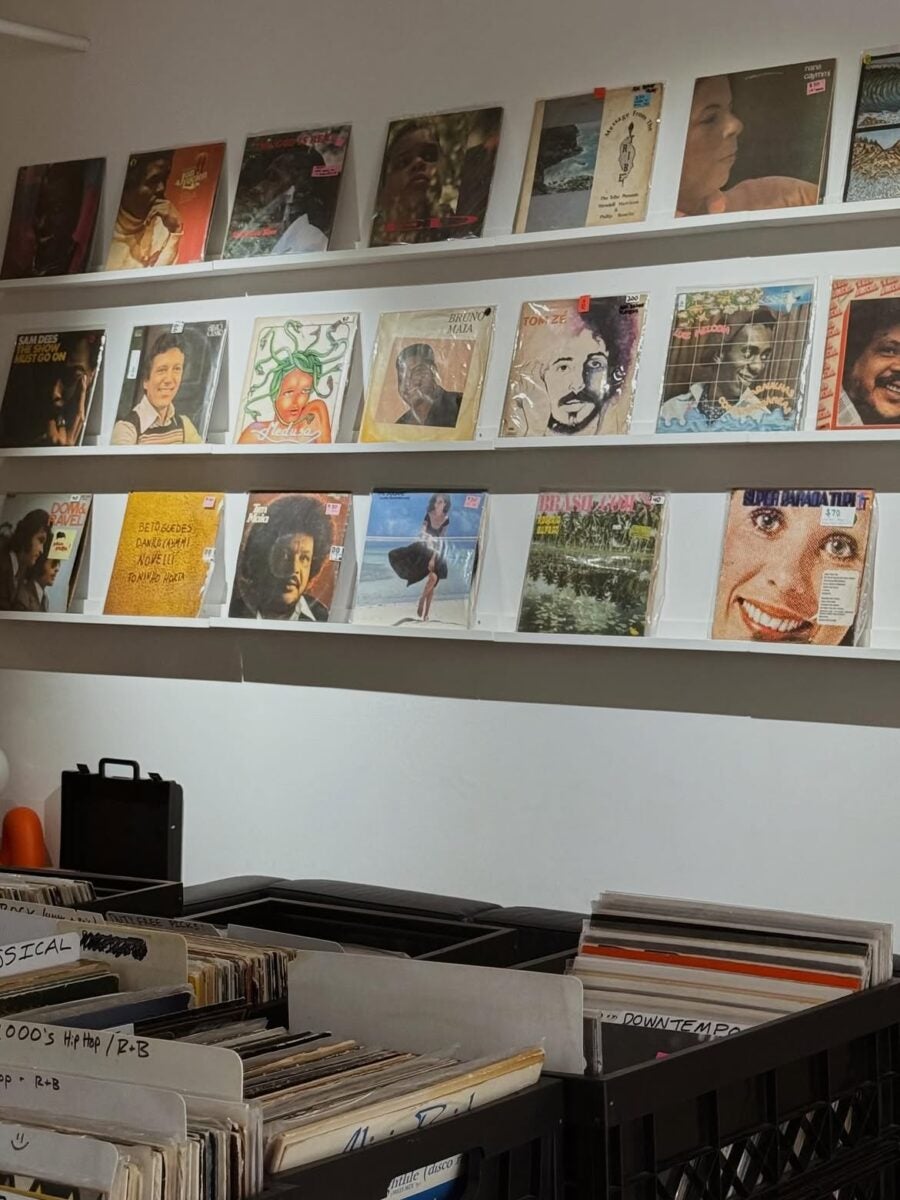
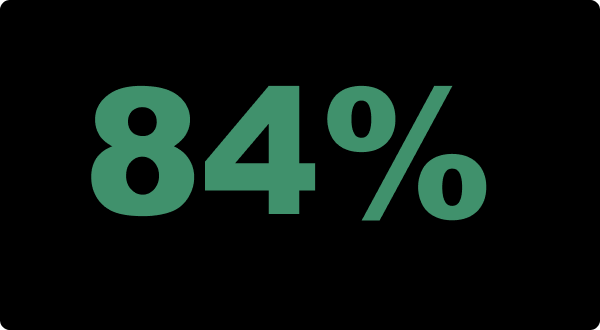
More than eight in ten Americans (84%), rising from 63% of said they’ve incorporated analogue lifestyle choices (e.g. reading, writing, crafts) into daily life
Tapping the trend
- Grannycore gatherings: Consumers aren’t just rediscovering old-school, hands-on hobbies – they’re forming active social scenes around them. Vogue recently reported on how game nights dedicated to the ancient Chinese boardgame Mahjong are proving a surprise hit in New York’s coolest bars. With birdwatching emerging as the second-fastest growing Gen Z hobby, the next generation of twitchers are coalescing on TikTok (aka TwitchTok) as well as forming alternative, inclusive clubs IRL, like Feminist Bird Club and Flock Together. Having seen triple-digit growth for wholesome activities like knitting circles, baking workshops, and jigsaw puzzle contests, Eventbrite has curated “Granny Core” It-Lists – handpicked collections of the most authentic and engaging local meetups – for various US cities, plus a Granny Core Greatest Hits playlist to listen to during workshops. Likewise, craft retailer Michaels has observed a shift to “project-centered connection” among its customers: “A shared project changes the energy of a room… This isn’t about elaborate hosting – it’s about shared presence.” For the so-called “anxious generation”, these pastimes are seen not only as fun recreation but as neuroscience-backed self-care.
- The supperclub resurgence: Instead of looking for love on sweaty dancefloors or dating apps, twentysomethings are hungry for supperclubs with strangers. Communal dining events like Dinner for One Hundred (known as D4100), run by the eponymous London pizzeria chain, sells out so rapidly that the organisers recommend setting reminders when tickets are due to be released, while LA’s Lele Dinner Club boasts a 15,000-strong waitlist. Other iterations are more about intergenerational bonding and broader social cohesion than matchmaking: in Switzerland, Social Supper Club Project brings together elderly, young people and immigrants over zero-waste meals. Listings for supper clubs and pop-up dinners on Eventbrite rose 18% in 2025. Similarly blurring the lines between public and private hosting, some consumers are turning their apartments into makeshift coffeehouses. Smart brands and retailers are vying for a slice of this flourishing social scene, from corner shops hosting their own spins to companies as varied as Adobe Photoshop and San Pellegrino sponsoring menu items and tableware.
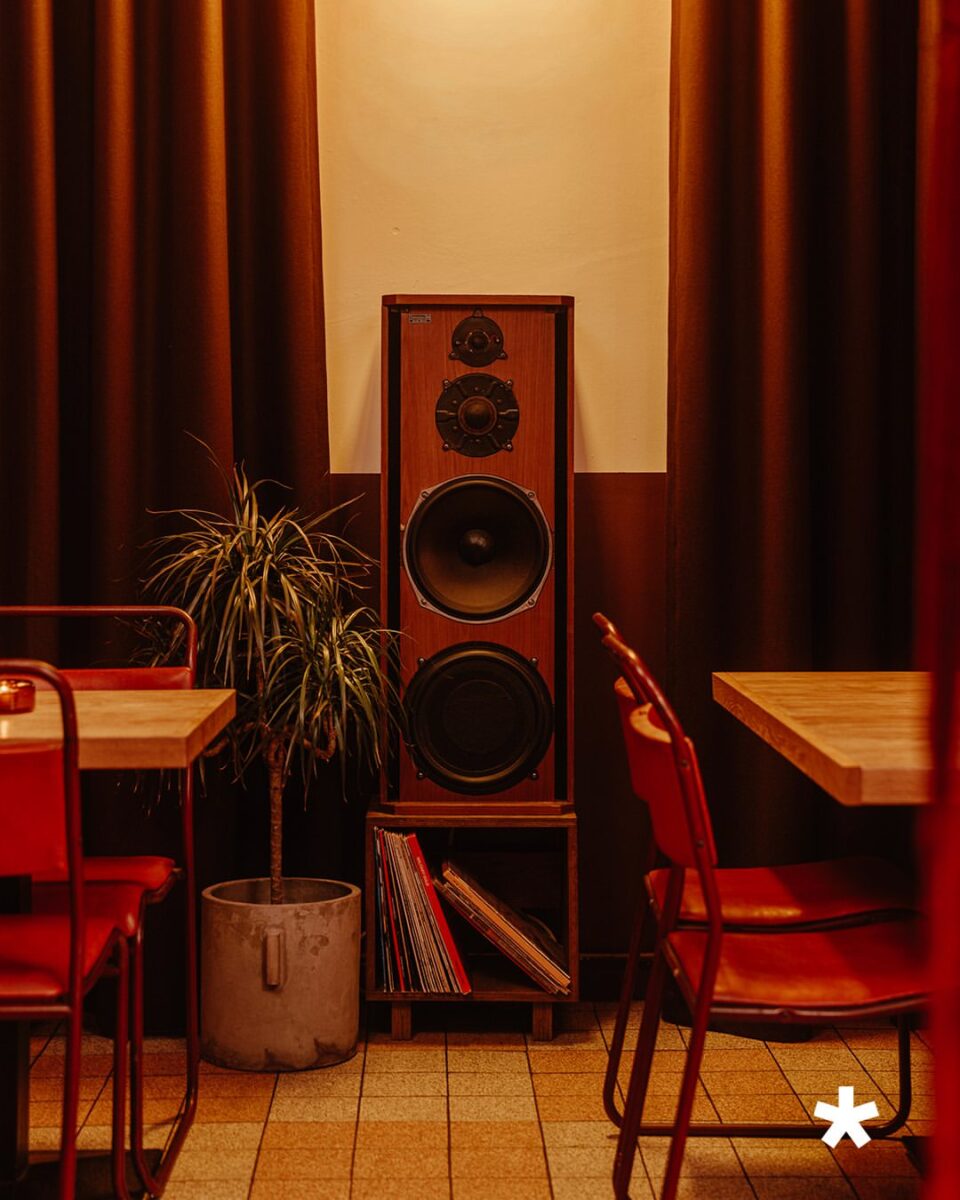
- Listening bars: Think of these as miniature music museums, stuffed with vinyl records, leaving patrons to simply sit back and listen on state-of-the-art speakers while sipping a coffee or cocktail. Some of the coolest newcomers include Silence Please in New York, which adds figure-drawing classes and tea tastings alongside listening sessions, and London’s all-red Upstairs at Hausu, an ode to the David Lynch movie Twin Peaks. There’s even a mobile version squeezed into a campervan in Tokyo. Hotel chains (including Virgin and Tribe), luxury fashion houses (e.g. Valentino) and even museums are embracing the trend by creating their own vinyl listening clubs.
Shared listening offers something increasingly rare: low-demand social connection. You are with others, but without the pressure to converse, entertain or manage social cues. That drop in demand allows the nervous system to soften rather than brace.
The Takeaways
Make self-improvement a social endeavor Spaces
Help fans find each other, not just your product
Facilitate low-stakes togetherness offline
Trending
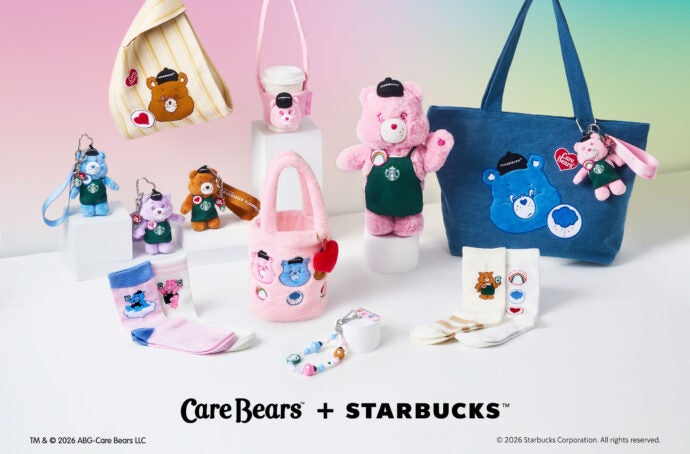
tms brings the Starbucks x Care Bears “Cheers for Sharing” merchandise collab to life

Alice Chi Martin shares why integrity is non-negotiable in leadership with Little Black Book