How to Get Gamification Right – From Acquisition to Winback
Gamification is a marketing superpower – when it’s done well. The key is understanding consumer psychology, so brands can apply gamified experiences strategically across the customer lifecycle to increase conversion, strengthen loyalty, and improve customer retention.
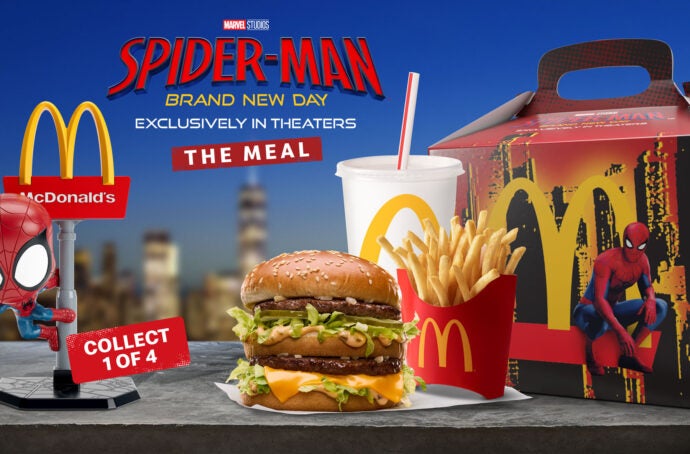
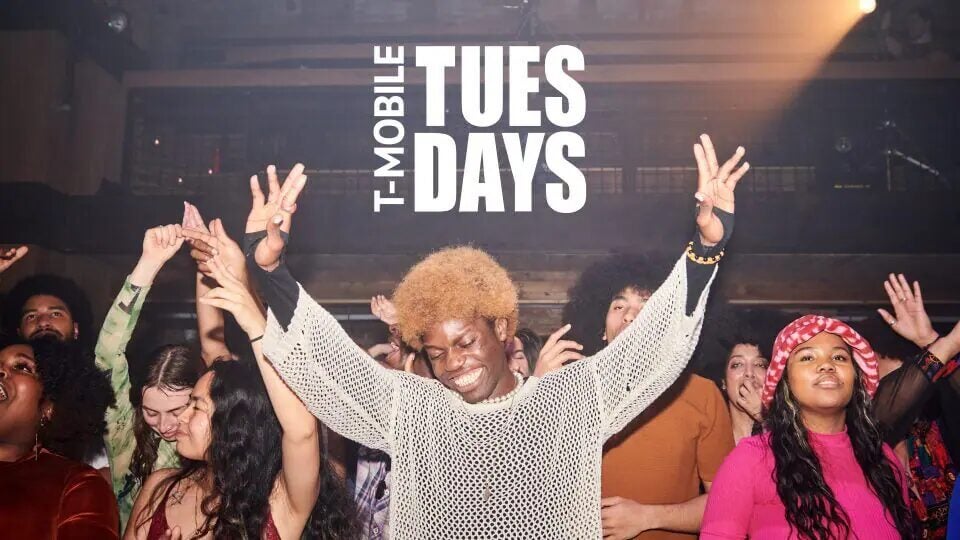
As a global leader in customer engagement and loyalty marketing, tms has delivered gamified marketing experiences for global brands from Monopoly Game at McDonald’s to T-Mobile Tuesdays, weaving game mechanics into some of the world’s most successful promotions and loyalty programs for our clients. And while such experiences may feel playful on the surface, they’re grounded in behavioral science and strategic design.
According to tms’ latest proprietary research based on a survey of 1,200 consumers in the US and UK, “The Gamified Customer Journey” white paper demonstrates there is clear demand for gamified brand experiences, but only if the mechanics, rewards, and effort level are aligned and deployed at the right moment in the journey. In other words, the best strategies for driving awareness and product discovery are very different to winning back lapsed customers.
Here, we outline how to apply gamification strategies effectively at each stage of the customer journey.

First impressions should feel frictionless. Make it quick, low-effort, and immediately gratifying.
Gamification is a powerful customer acquisition and engagement strategy, allowing consumers to explore and learn about your offering in a way that feels entertaining rather than transactional. Almost three-quarters (72%) of our survey respondents participated in gamification from a brand they hadn’t tried before within the last three months.
But these potential customers aren’t yet ready to invest significant time or energy, which means lightweight gamification mechanics such as instant-win games, quizzes, and spin-to-win promotions consistently outperform complex formats. Nearly half of respondents agreed that guaranteed rewards (47%) and quick, fun interactions (46%) were the biggest motivators for participating with a new brand.
How long should gamified experiences last?
Gamified experiences should last five minutes, maximum, according to 62% of consumers. That window becomes even shorter for older audiences, the majority of whom believe brands’ gamified experiences should last less than three minutes.
Segment your gamification strategy by generation, rather than by channel.
There are clear generational differences in attitudes towards gamification. Gen Z and Millennials show greater appetite for exploratory formats like multi-day challenges or social competitions. When it comes to emotional motivations, younger consumers tend to approach gamification with curiosity and openness, viewing it as a way to discover products, narratives, or communities. Boomers, by contrast, are seeking clarity and tangible value – they want to know exactly what they’ll get in return for their attention.
Connect current purchases to future value.
At one of the most fragile moments in the customer journey – converting consideration to purchase – gamification is one of your best tools for providing the final nudge. One-third of consumers said gamified interactions motivate them to make a first purchase.
Rather than elaborate branded games, though, experiences should visibly contribute toward future benefits. An overwhelming 94% of respondents said seeing how many points they would earn motivates them to buy, while 92% are motivated by unlocking a reward and 88% by progressing to a higher loyalty tier.
Match effort to incentives.
Consumers have an acute sense of fairness when it comes to value exchange. Small actions can be rewarded with micro-perks or bonus points, but once they are investing meaningful time or money, expectations rise sharply and brands need to offer significant, guaranteed rewards.
Gamification strengthens loyalty programs, making them feel participatory rather than purely functional.
According to our research, 85% of consumers appreciate gamification in loyalty programs, saying it creates a more fun and exciting membership experience, and one that makes them feel more valued and supported by the brand. The most compelling mechanics in this phase? Progress bars, bonus-point opportunities, instant-win mechanics, challenges, streaks, and milestone rewards. The psychology behind this is simple: visible progress reinforces emotional investment.
Winback campaigns and customer re-engagement strategies should feel more “welcome back” than “work your way back.”
Don’t expect lapsed customers to resume engagement at the same level as active ones; re-entry effort must be lower, and the perceived reward higher. Nearly half (48%) of respondents said bonus points or a returning-customer discount would successfully regain their attention, while surprise instant-win experiences are also viewed positively. Make it worth their while to return.
Download the full gamification research report to explore deeper insights into consumer behavior, reward mechanics, and customer engagement strategies.
Ready for a deeper dive into this topic? Download our white paper ‘The Gamified Customer Journey’.
FAQ’s
Trending
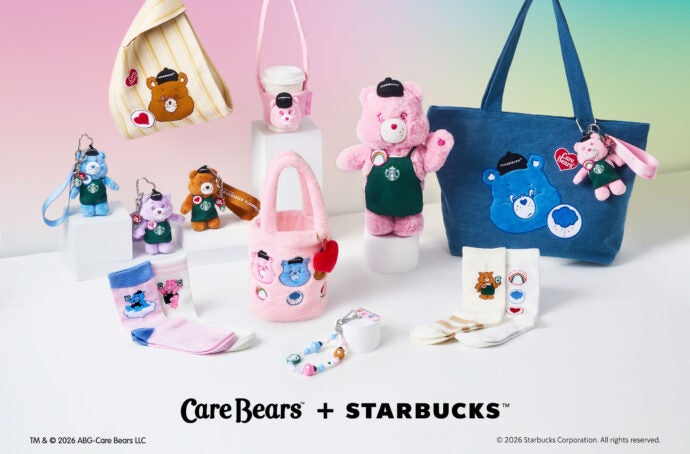
tms brings the Starbucks x Care Bears “Cheers for Sharing” merchandise collab to life

Alice Chi Martin shares why integrity is non-negotiable in leadership with Little Black Book